Baby Cakes Blackberry
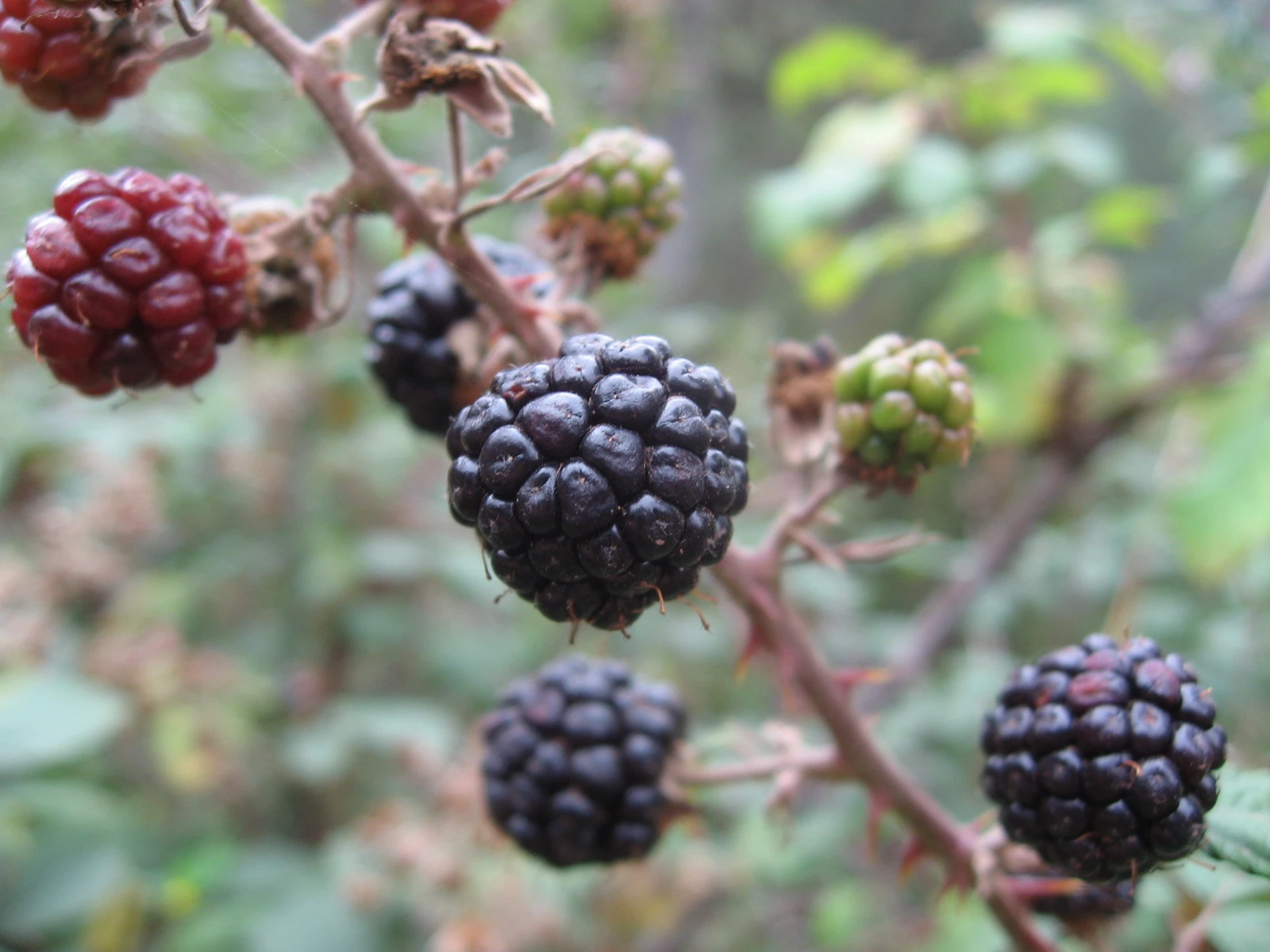
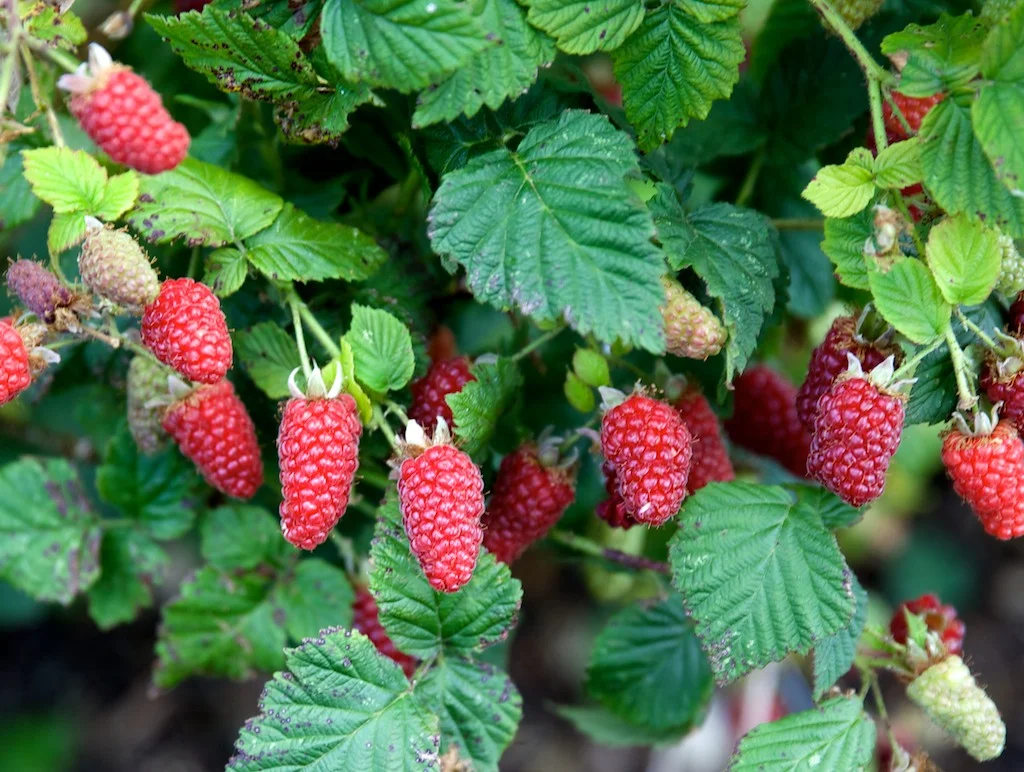
Photo: "Blackberries" by Simonjoan · CC BY-SA 3.0

Baby Cakes Blackberry

Perennial · Rosaceae

Baby Cakes is a dwarf thornless blackberry bred for patio pots and small-space growing, with compact upright canes and sweet classic blackberry flavor. It is one of the few blackberries that feels genuinely realistic in a container for a home gardener. Key facts: 365–425 days to maturity, 6+ hours of sun, 24–36 " spacing. Container-friendly (minimum 7-gallon pot).

Updated May 13, 2026 · Backed by 2 cited sources
Overview

At a Glance

The essentials first: timing, light, spacing, seed-starting, container fit, and overall size.

Days to maturity
365–425 days
Sun
6+ hours
Full Sun 8+ Hours
Spacing
24–36 "
between plants
Container
Yes
7+ gallon pot
Height
3–4 ft
at maturity
Planting window

Zone Planting Guide

Switch zones to see whether this plant is a strong fit, what frost timing looks like, and any extra notes worth planning around.

This card updates instantly with viability, frost timing, and any planting notes for your selected zone.

Care

Growing Guide

Everything in one place: seed starting, transplant timing, watering, soil, and structural support.

Moving outdoors
Transplanting
Minimum soil temp50°F
Harden off7 days
Moisture
Watering
Weekly1–2 "
NeedsConsistent
Drip
Root zone
Soil
pH range5.8–6.5
PreferredFertile, Well Drained Loam Or High Quality Container Mix With Compost.
Resilience

Plant Health

Stress tolerance, resistance notes, and the most common problems to watch for as plants mature.

Tolerance
Heat: Moderate Cold: High Drought: Moderate

Watch for these first

Sort
Issue Severity Category Peak window
Damping off Pythium spp. / Rhizoctonia solani / Fusarium spp.
High Disease May–Aug Peak window months: May, Jun, Jul, Aug.

A seedling killer caused by several different fungi working together. It hits vegetables, flowers, herbs, microgreens, and cover-crop seedlings the same way — seeds rot before they emerge, or young seedlings collapse right at the soil line. Wet seed-starting mix and poor airflow in seedling trays are the classic conditions.

Triggers: Wet soil or starting mix, poor drainage, seedlings packed too tightly, contaminated trays or media, and stagnant air all favor damping-off.

Risk fades when: Drying the soil surface and improving airflow slows new spread. Collapsed seedlings don't recover, but the rest of the tray can be saved.

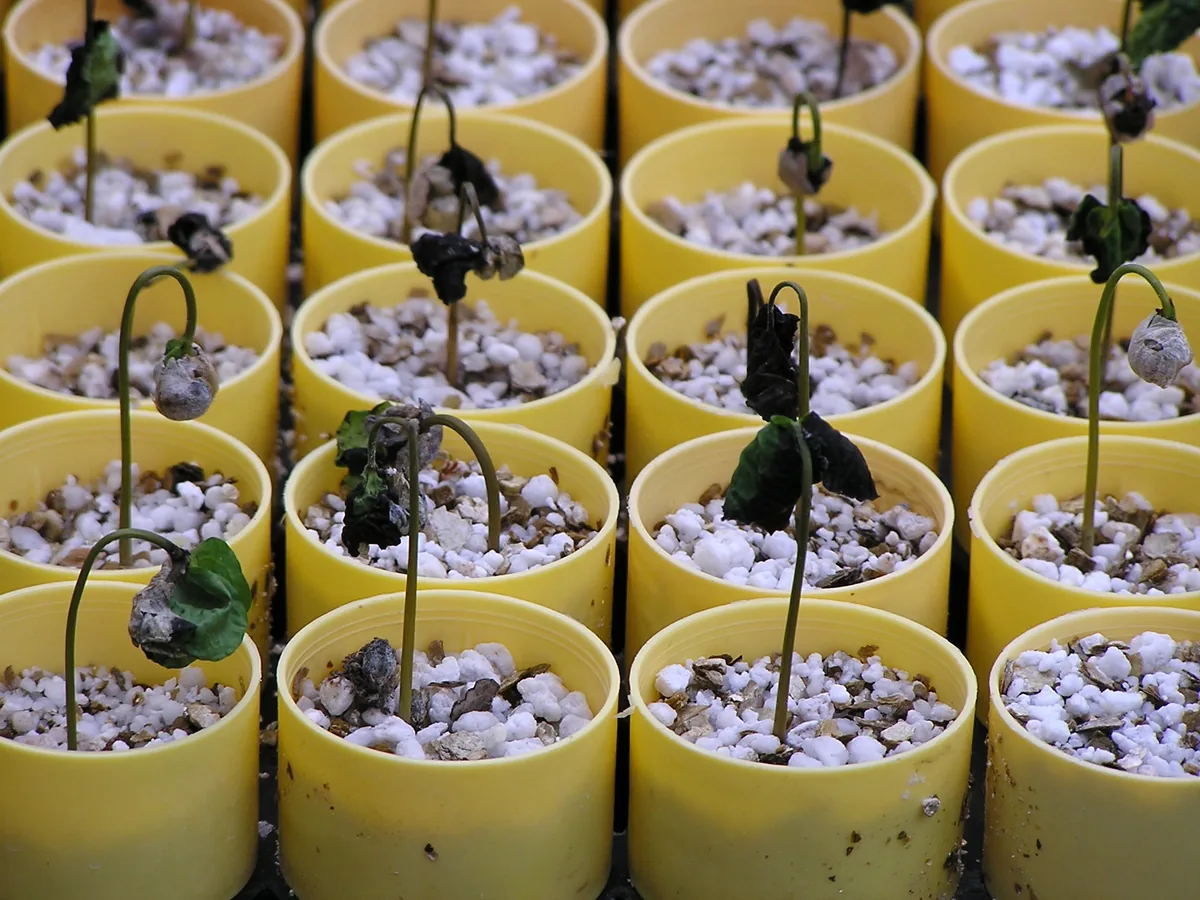
Damping off symptoms
Damping off of coffee seedlings caused by Fusarium sp. — Photo: Scot Nelson · CC0 1.0
Verticillium wilt Verticillium dahliae
High Disease Late spring Peak window months: Mar, Apr, May.

A soil-borne fungus that gets into roots and clogs the plant's water plumbing, causing yellowing, wilt, and slow decline. Unlike Fusarium, Verticillium tolerates cooler soils — symptoms often show up in late spring before the soil really warms. The fungus has a huge host range (over 200 plant species including tomato, pepper, eggplant, strawberry, mint, and many ornamentals) and survives in soil as tiny structures called microsclerotia for 10+ years. Yellowing is usually more uniform across the plant than Fusarium's signature one-sided pattern. Cool weather pathogen — soil temperatures of 70-80°F are ideal, and infections often slow in mid-summer heat.

Triggers: Cool-soil pathogen, active at 70-80°F soil temperatures. Symptoms often appear in late spring or early summer before soil warms past 85°F. Activity slows in mid-summer heat.

Risk fades when: Activity slows when soils warm above 85°F. The seasonal pressure fades, but the pathogen itself persists in soil for 10+ years.

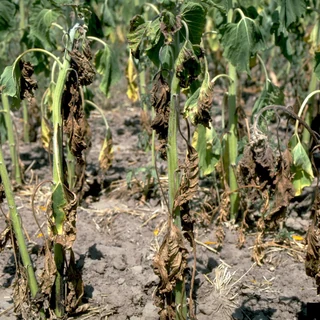
Verticillium wilt symptoms
Sunflower plants showing symptoms of Verticillium wilt infection caused by Verticillium dahliae in the field. — Photo: Howard F. Schwartz, Colorado State University, Bugwood.org · CC BY 3.0 US
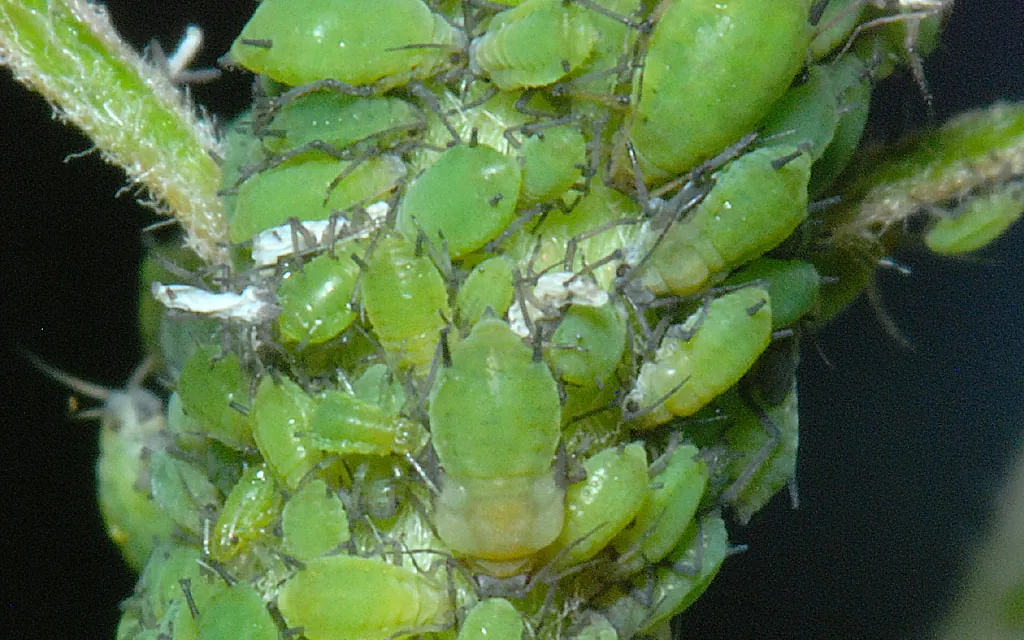
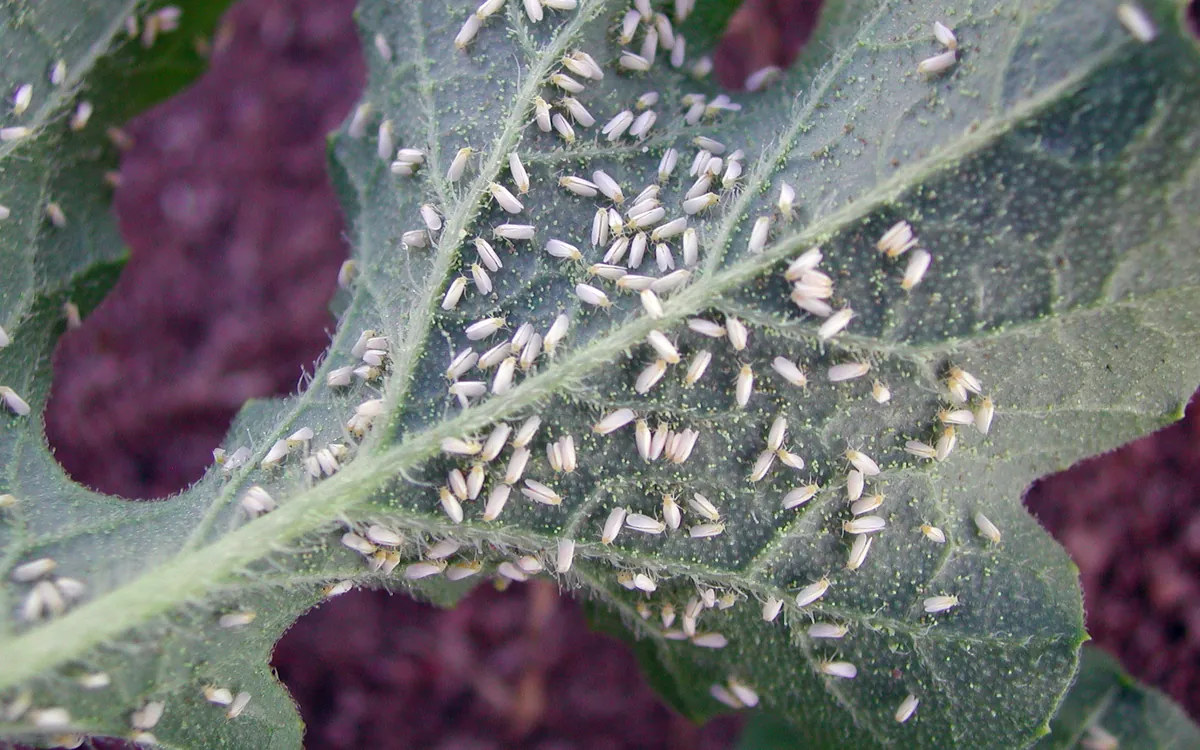
Aphids Multiple genera: Myzus persicae (green peach aphid), Aphis gossypii (melon aphid), Macrosiphum euphorbiae (potato aphid), Brevicoryne brassicae (cabbage aphid)
Moderate Pest Mid-summer Peak window months: Jun, Jul, Aug.

Aphids are soft-bodied sap-sucking insects that cluster on tender new growth. Most established plants tolerate moderate populations and will outgrow damage on their own, but aphids are the most important plant virus vectors in the garden, transmitting more than 100 plant viruses including potato leafroll, cucumber mosaic, and turnip mosaic. Honeydew excreted while feeding supports sooty mold growth and attracts ants that protect aphids from natural enemies.

Triggers: Optimal development at ~75°F (green peach aphid) per UC IPM Floriculture; melon aphid develops fastest above 75°F. Many species heat-intolerant above 90°F and crash in mid-summer. Soft new growth and over-fertilization with high N favor population buildup. Females give live birth parthenogenetically most of growing season — one generation in ~1 week under optimal conditions.

Risk fades when: Per UC IPM and Clemson HGIC, populations crash in mid-summer heat (>90°F) for many species, return in cooler conditions

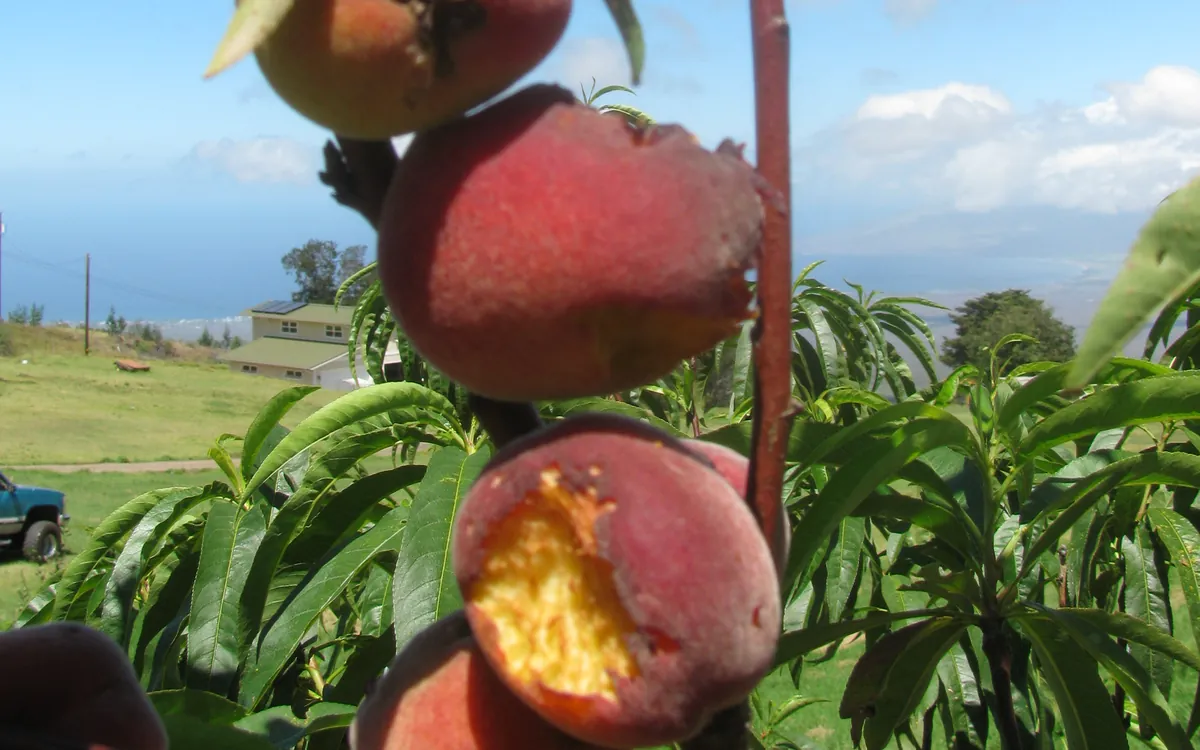
Bird damage Multiple species: American robin (Turdus migratorius), European starling (Sturnus vulgaris), red-winged blackbird (Agelaius phoeniceus), cedar waxwing (Bombycilla cedrorum), house sparrow
Moderate Pest Jun–Aug Peak window months: Jun, Jul, Aug.

Birds cause significant damage to ripening fruit (berries, grapes, figs, cherries), to newly-planted seeds, and to seedlings. Damage peaks during fruit ripening on berries and during seed-head ripening on sunflowers. Robins feed low on bushes; starlings feed in upper canopy; species and feeding patterns vary widely. Even partial damage opens entry points for diseases and insects.

Triggers: Damage seasonal — peak during fruit ripening (June-August in north). Dry years intensify damage as birds use fruit for water. Proximity to forest edges or harvested grain fields amplifies pressure.

Risk fades when: OSU EM 9286

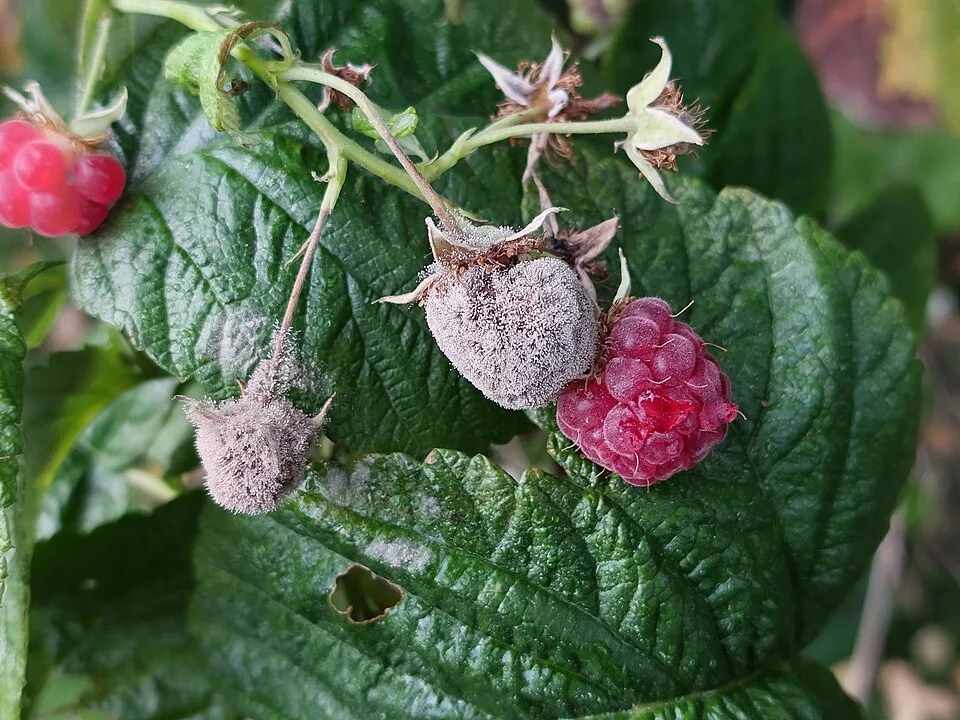
Gray mold Botrytis cinerea
Moderate Disease Summer Peak window months: Jun, Jul, Aug.

Fuzzy gray mold on flowers, fruit, and wounded tissue. It thrives in cool, humid, enclosed spaces — University of Minnesota notes this is unlikely to be a problem in open home gardens and rare even in field tomatoes. It's mostly a greenhouse and high-tunnel concern, included here because SoilStack supports those growing environments.

Triggers: Develops at 60-75°F with humidity above 80%. Infection requires 4-6 hours of standing water on the plant tissue. UMN's data shows it's unlikely in open home gardens.

On Baby Cakes Blackberry: Crowded plants, splashing water, and humid weather allow fungal spores to spread on blossoms and fruit.

Prevention: Space plants well, mulch, use drip irrigation, and remove spoiled fruit promptly.

Risk fades when: Temperatures above 82°F suppress growth and spore production. That's the published threshold.

Gray mold symptoms
Raspberry fruit with gray mold (Botrytis cinerea) infestation — Photo: Schlaghecken Josef · CC BY 4.0
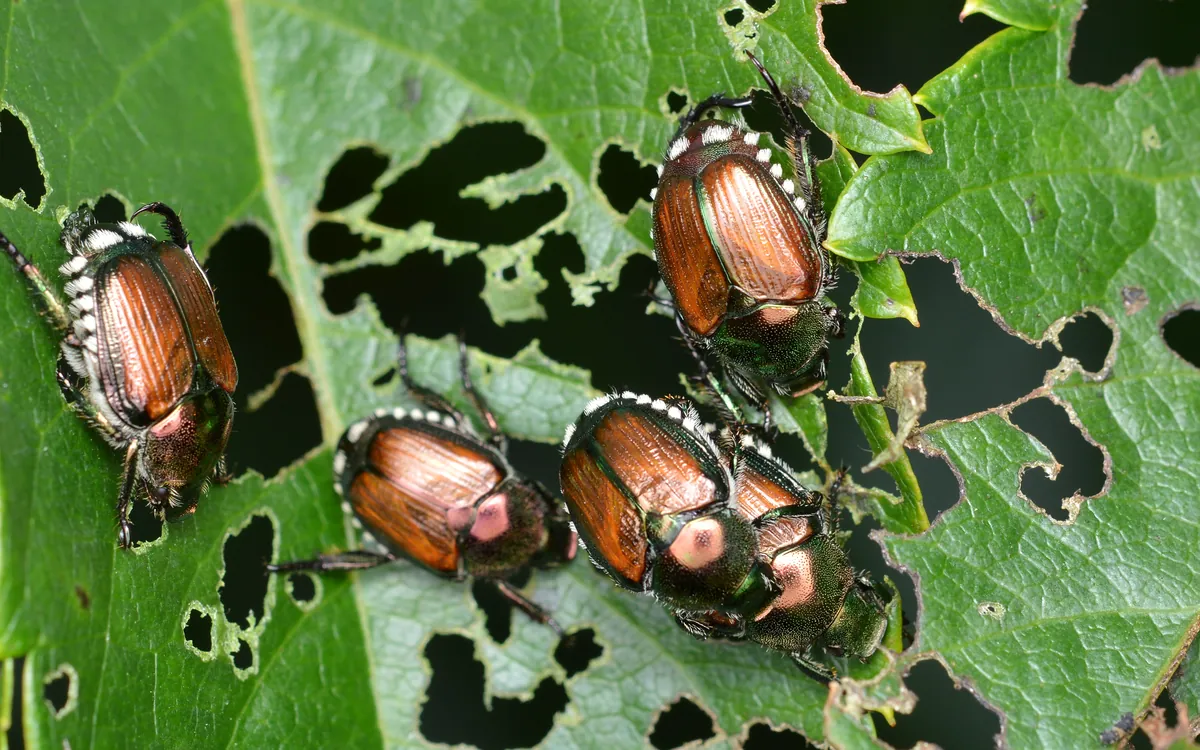
Japanese beetle Popillia japonica
Moderate Pest Jun–Jul Peak window months: Jun, Jul.

Japanese beetle adults feed gregariously on the foliage and flowers of more than 300 host species, skeletonizing leaves by chewing tissue between the veins. Larvae (white C-shaped grubs) damage turf and root systems. Adults are active during the warmest part of sunny summer days, when populations can rapidly defoliate roses, grapes, and ornamentals. Do not use Japanese beetle traps near plants — the lures attract more beetles than they catch.

Triggers: One generation per year. Overwinters as larva in soil. Adults emerge late June-early July (peak July). Adults active during warmest part of sunny days. Females lay 40-60 eggs in turf 3 inches deep.

Risk fades when: Multiple sources confirm one generation, peak July

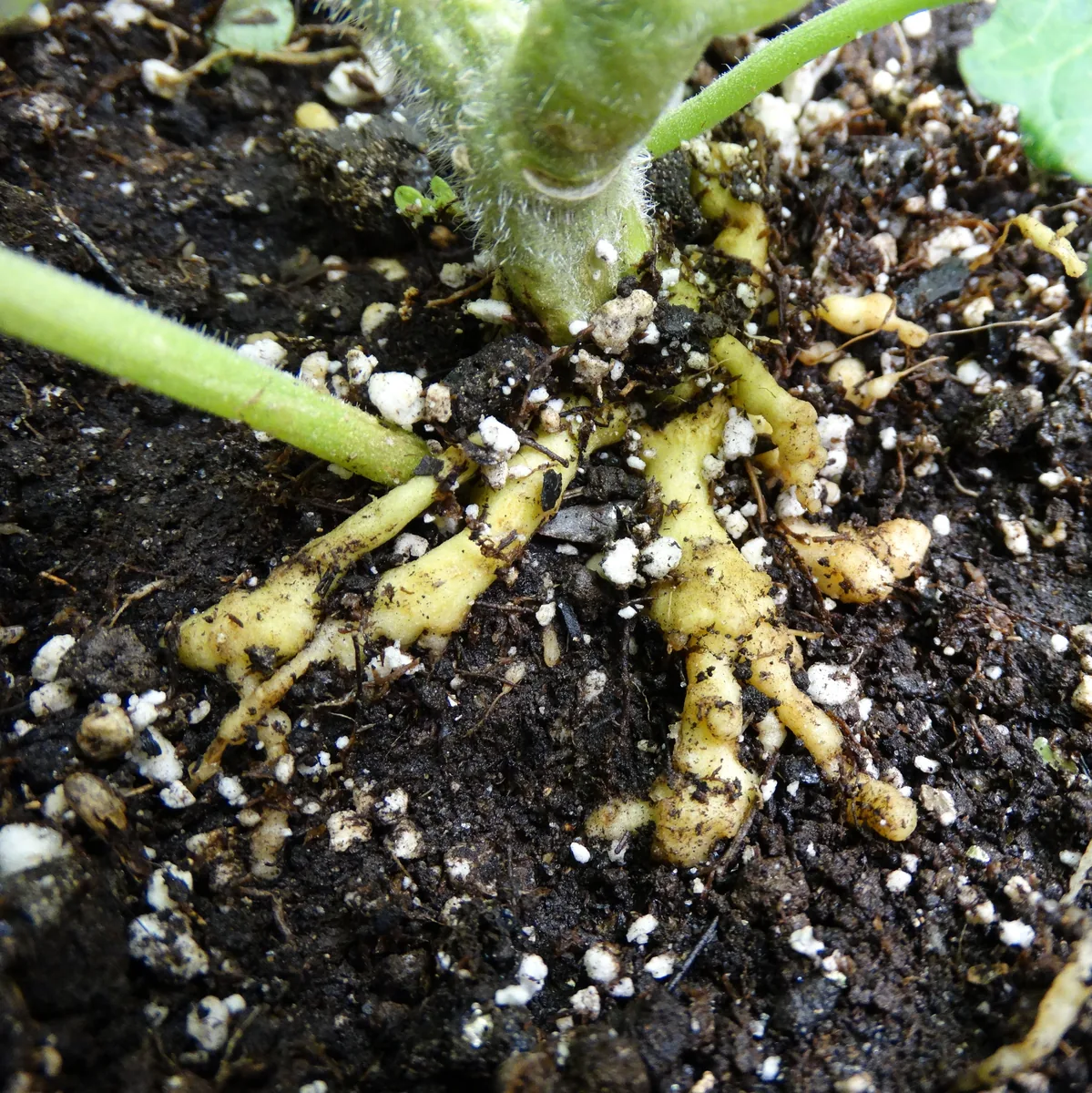
Root knot nematode Meloidogyne spp. (M. incognita, M. hapla, M. javanica, M. arenaria)
Moderate Disease Winter Peak window months: Jan, Feb, Dec.

Microscopic soil-dwelling roundworms that burrow into plant roots and cause swollen knots (galls). Above ground, the plant looks stunted, yellowed, and wilted even with plenty of water. They attack over 2,000 plant species, so almost nothing is safe. They're most active in warm soil (70-85°F) and do more damage in sandy soils, where they move easily. Once a bed has them, populations stick around for years.

Triggers: Soil temperatures of 70-85°F are ideal for them; below 60°F they go dormant. Sandy soils make it easy for them to move and reproduce, while heavy clay slows them down considerably. In warm soil, a full generation completes in about 27 days.

Risk fades when: Activity drops sharply once soil cools below 60°F. Damage stops accumulating for the season, but the population stays in the soil and returns when warmth does.

Root knot nematode symptoms
Root galls on tomato (Solanum lycopersicum) caused by Meloidogyne incognita — Photo: Plant pests and diseases · CC0 1.0
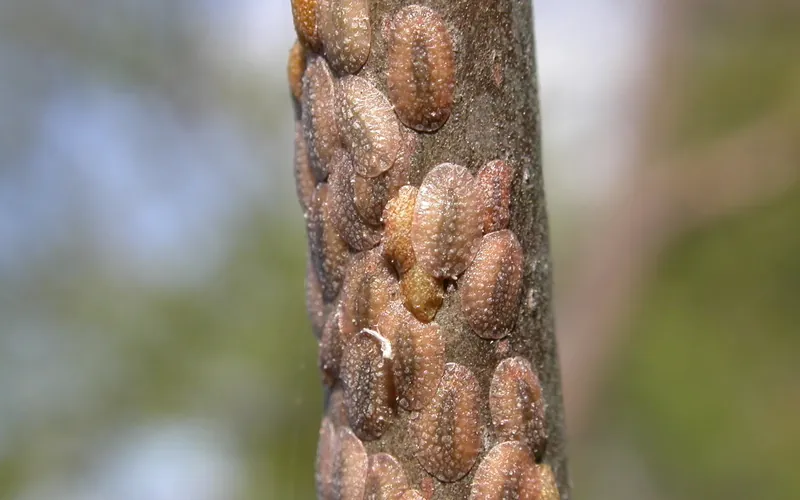
Scale insects Multiple species. Soft scales: Coccidae (lecanium Parthenolecanium corni, cottony cushion Icerya purchasi). Armored scales: Diaspididae (San Jose Quadraspidiotus perniciosus, oystershell Lepidosaphes ulmi, euonymus Unaspis euonymi)
Moderate Pest Jun–Jul Peak window months: Jun, Jul.

Scales are immobile sap-sucking insects under protective waxy or hardened covers. Soft scales produce sticky honeydew that supports sooty mold; armored scales cause direct dieback. They are primarily pests of woody plants and perennial herbs — fruit trees, berries, citrus, bay, rosemary — rather than annual vegetables. Females are sedentary as adults; the mobile 'crawler' stage that hatches in late spring/early summer is the target for control.

Triggers: Most species: one generation/year in north; multiple in south. Lecanium overwinters as 2nd-instar nymphs on twigs; crawlers emerge June-July. San Jose scale overwinters as 2nd instar on bark; crawlers May-June. Stressed plants more susceptible; ant attendance protects scales by deterring parasitic wasps.

Risk fades when: Penn State, UMN

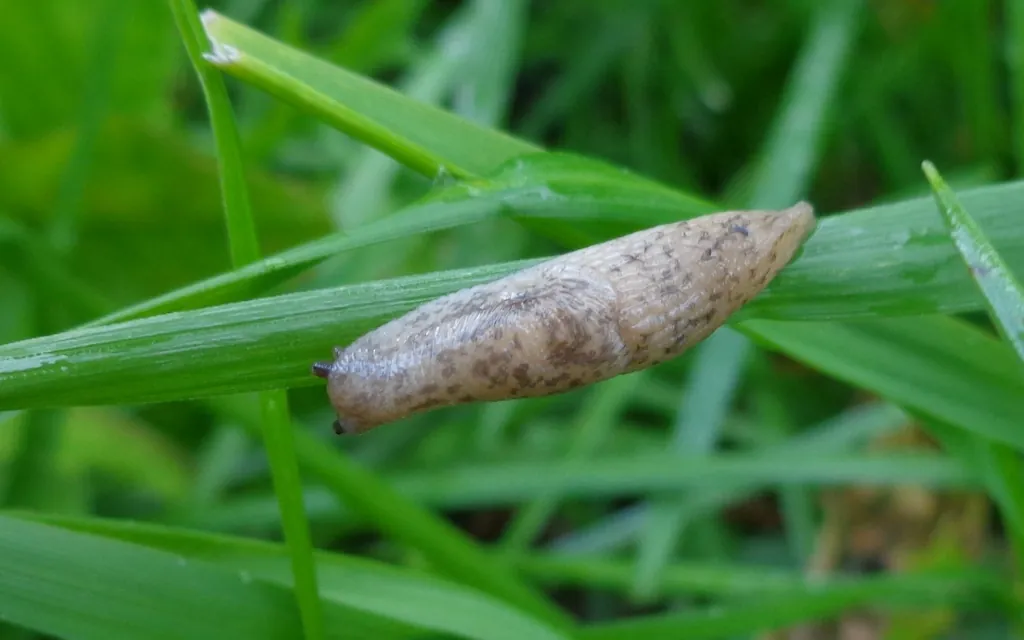
Slugs and snails Cornu aspersum (brown garden snail), Deroceras reticulatum (gray garden slug), Limax maximus, Arion spp.
Moderate Pest Spring Peak window months: Mar, Apr, May.

Slugs and snails are nocturnal mollusks that chew irregular holes in leaves and clip off succulent seedlings. They leave characteristic silvery slime trails. Hermaphroditic and prolific, brown garden snails lay around 80 eggs per month for up to six clutches per year.

Triggers: Active at night and early morning in damp conditions. Coastal CA and southeast — active year-round. Spring rains and dense ground cover (mulch, debris, weeds) create harborage.

On Baby Cakes Blackberry: Moist mulch and dense foliage create hiding places that lead to fruit scarring.

Prevention: Thin old leaves, keep fruit off wet soil, and hand-pick or trap in damp weather.

Risk fades when: UC IPM

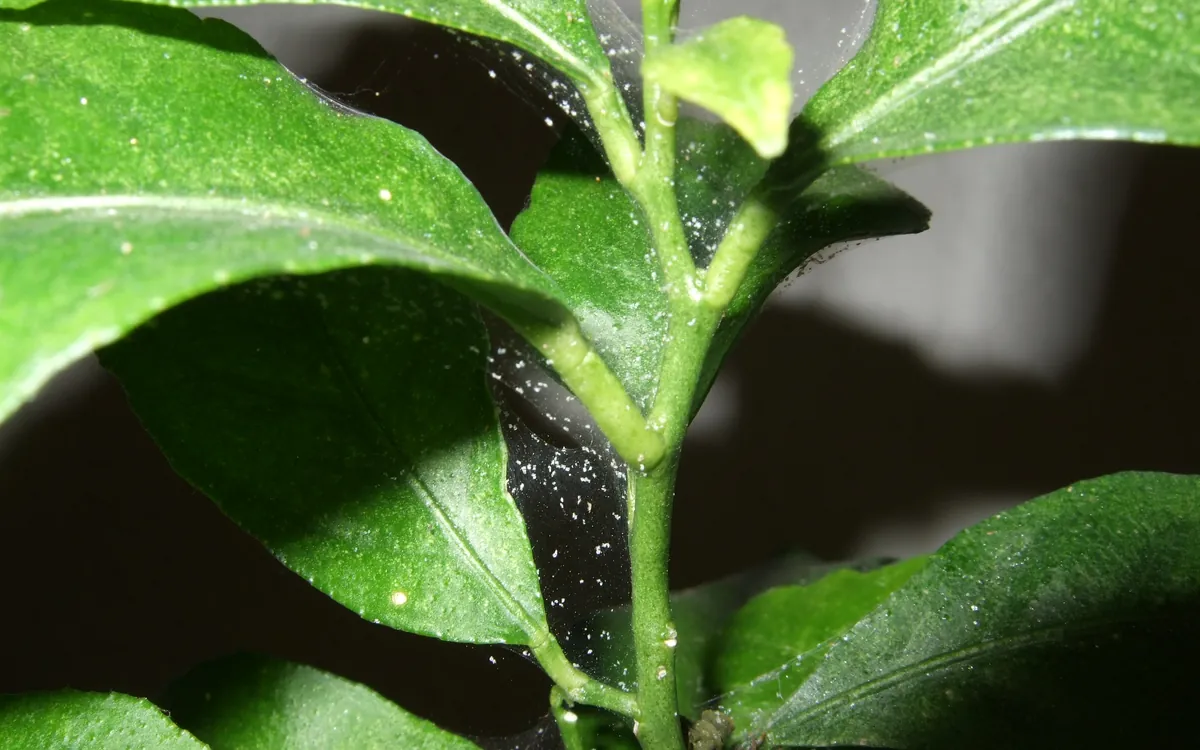
Spider mites Tetranychus urticae (two-spotted spider mite, most common); also broad mite (Polyphagotarsonemus latus), russet mite (Eriophyidae)
Moderate Pest Jul–Sep Peak window months: Jul, Aug, Sep.

Spider mites are tiny arachnids (1/50 inch) that feed on the undersides of leaves, producing characteristic silver-yellow stippling. Heavy populations produce visible webbing that interferes with pesticide coverage. They thrive in hot dry weather and drought-stressed plants. The two-spotted spider mite feeds on more than 180 cultivated plant species.

Triggers: Hot dry conditions; >90°F lifecycle <2 weeks. Drought stress amplifies. Broad-spectrum sprays (carbaryl, pyrethroids) trigger outbreaks by killing predators. Wisconsin Ext: 'as little as a month without significant rain during the growing season can favor a mite outbreak.'

Risk fades when: UMN Extension

Tip burn Calcium transport disruption
Moderate Physiological Spring Peak window months: Mar, Apr, May.

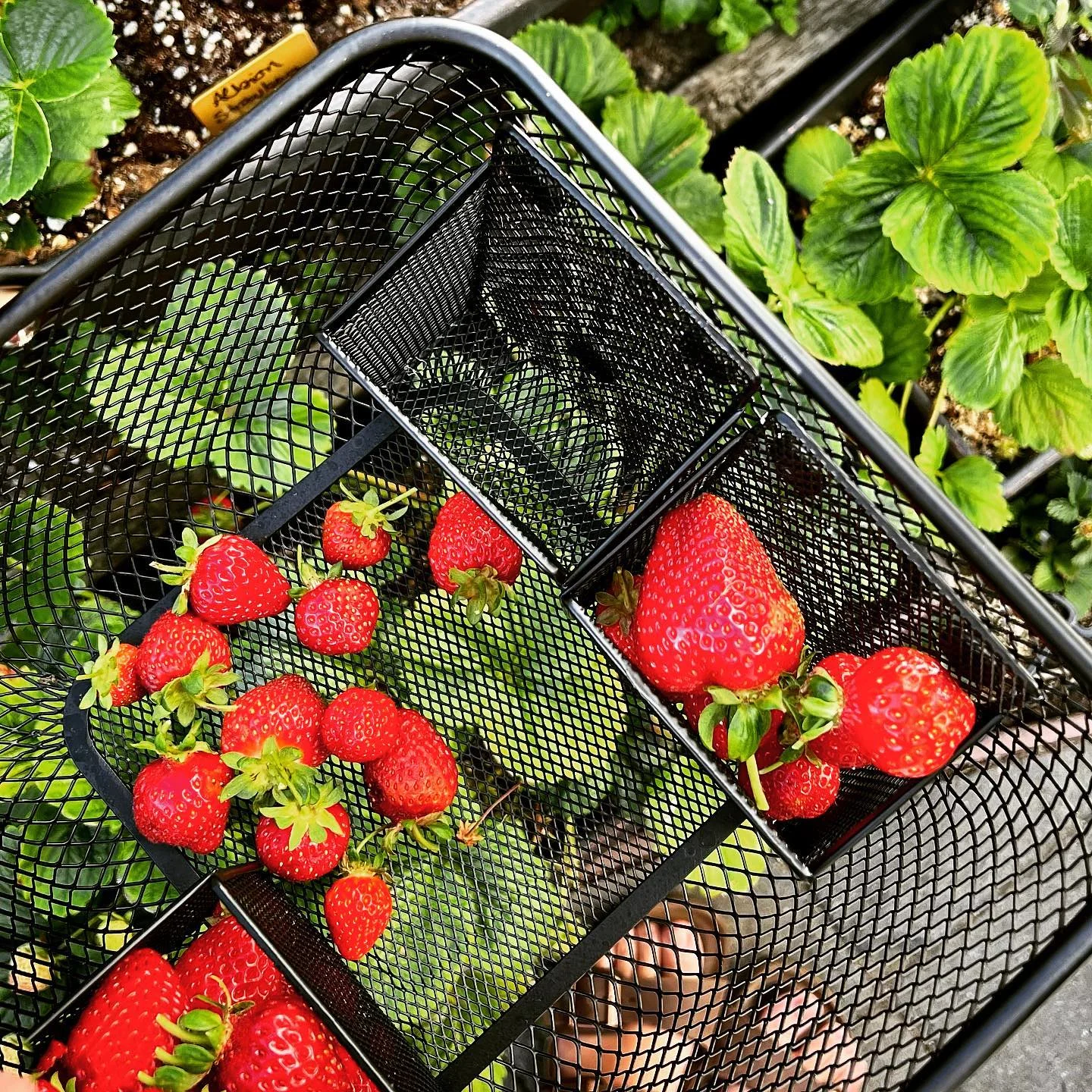
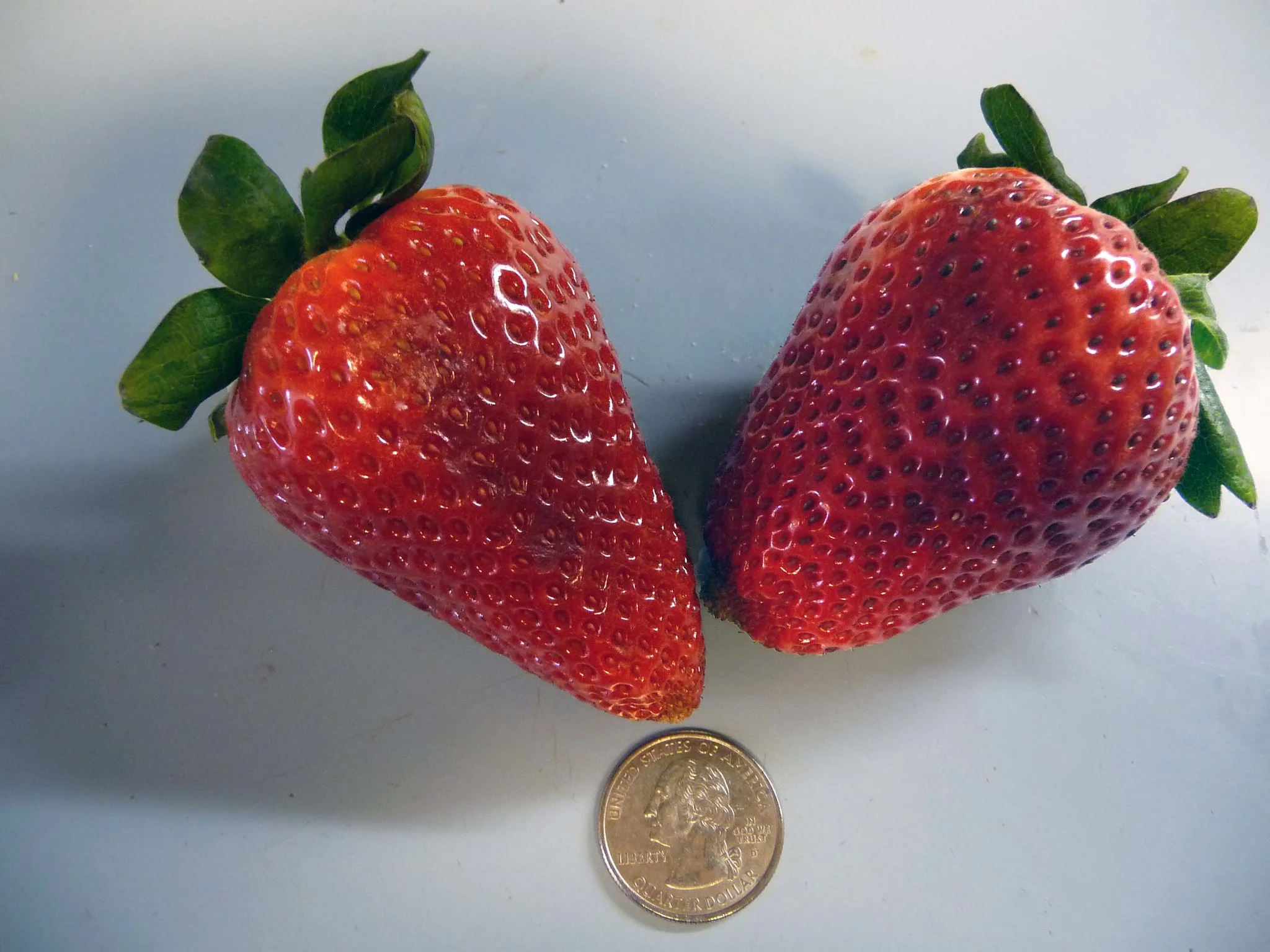
Strawberry tipburn shows as brown necrotic margins on young leaves, especially during fast spring growth. It's a calcium delivery failure — calcium moves with water through the xylem, and any disruption (drought, then heavy watering, or high humidity stopping transpiration) leaves rapidly-expanding new tissue starved for calcium. Less serious than in lettuce since strawberries don't form a marketable head, but can reduce vigor and fruit quality if severe. Heavy nitrogen feeding and high greenhouse humidity are the most common triggers in commercial growing; in home gardens it's usually a watering inconsistency.

Triggers: Calcium transport failure in expanding leaf and fruit tissue. Most common in spring rapid-growth phase + warm humid weather.

Risk fades when: Brown tissue won't recover but new growth comes in clean once moisture and feeding stabilize.

1 more issue below · Show all 11 ↓
Feeding & picking

Nutrition & Harvest

How hungry the plant is, what ripe harvest looks like, and how long the crop keeps after picking.

Feeding
Nutrition
Feeding intensityModerate feeder
RecipesRoot Drench, Worm Castings Topdress
Timing
Harvest

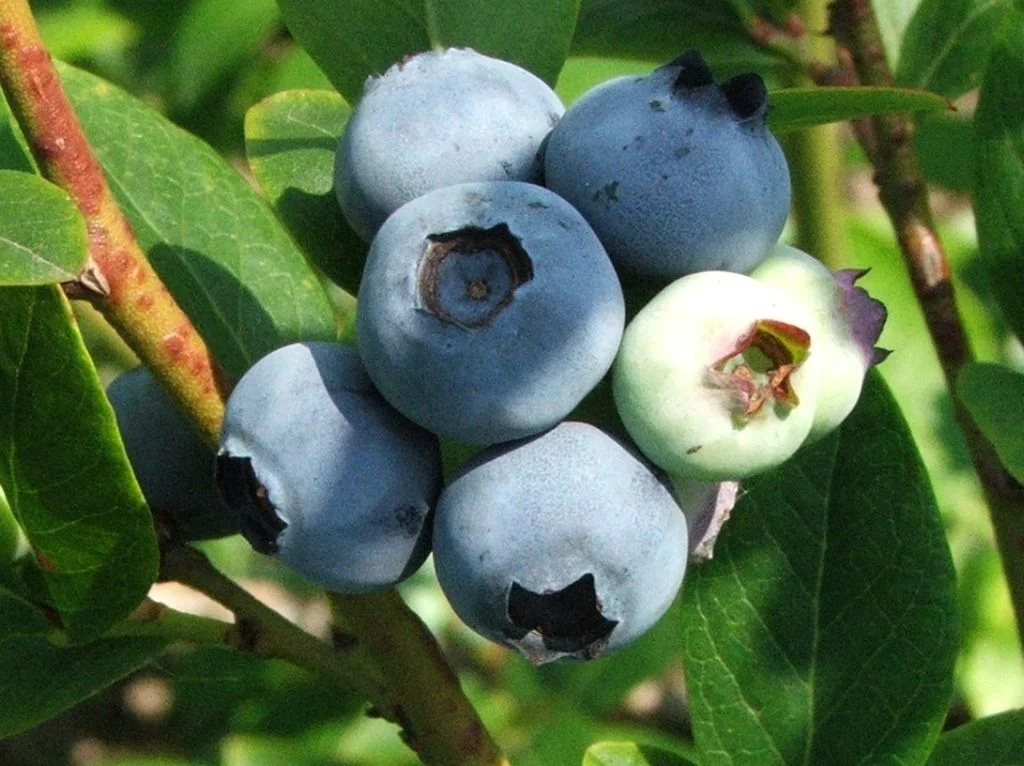
Harvest when berries are fully black, glossy, and release with little resistance.

Expected yield2–4 lbs/plant
Storage3 days — Refrigerate unwashed fruit in a shallow breathable container.
Stay in the loop

Planting reminders for Baby Cakes Blackberry

Frost warnings, zone-specific timing, and seasonal nudges -- sent only when there's something to act on. Free, unsubscribe anytime.

Get Personalized Planting Reminders

Frost alerts, zone-specific tips, and seasonal guidance. Free, unsubscribe anytime.

For zone-specific tips
What you'd like to receive (optional):

By subscribing you agree to our privacy policy. We won't sell your data. Unsubscribe link in every email.

What you'll need

Growing Supplies

Based on Baby Cakes Blackberry's growth profile -- recommendations matched to this variety's specific requirements.

Seed starting tray + heat mat

For gardeners who start seeds indoors, this combo improves even germination. Warm-season crops benefit from bottom heat. Look for a rigid tray, cell inserts with drainage, and a heat mat paired with a thermostat.

Source: Utah State University Extension; Iowa State University Extension; Mississippi State University Extension

Budget-friendly

VIVOSUN Seedling Heat Mat (10"x20")

The foundation piece. UL & MET certified, 27,000+ reviews. Slides under any tray to boost germination rates for warm-season seeds.

View on Amazon paid link ?When you shop on Amazon using this link, SoilStack earns a small commission at no extra cost to you. It's how we keep the site free and the calendar ad-free. Every product on this page was hand-selected based on university extension research. When you shop on Amazon using this link, SoilStack earns a small commission at no extra cost to you. It's how we keep the site free and the calendar ad-free. Every product on this page was hand-selected based on university extension research.
Best value

VIVOSUN Heat Mat + Thermostat Combo

Same trusted mat with a digital thermostat so you can dial in exact soil temperature. Peppers want 80-85°F, tomatoes 75-80°F.

View on Amazon paid link ?When you shop on Amazon using this link, SoilStack earns a small commission at no extra cost to you. It's how we keep the site free and the calendar ad-free. Every product on this page was hand-selected based on university extension research. When you shop on Amazon using this link, SoilStack earns a small commission at no extra cost to you. It's how we keep the site free and the calendar ad-free. Every product on this page was hand-selected based on university extension research.
Premium

AC Infinity Heavy-Duty Germination Kit

Complete germination station with Samsung LEDs, 3mm thick dome, heat mat, and ventilation panels. The setup serious seed starters graduate to.

View on Amazon paid link ?When you shop on Amazon using this link, SoilStack earns a small commission at no extra cost to you. It's how we keep the site free and the calendar ad-free. Every product on this page was hand-selected based on university extension research. When you shop on Amazon using this link, SoilStack earns a small commission at no extra cost to you. It's how we keep the site free and the calendar ad-free. Every product on this page was hand-selected based on university extension research.

Mulch / landscape fabric

Nearly every garden benefits from mulch for weed suppression, moisture conservation, and soil temperature moderation. For most home gardeners, quality organic mulch is the better buy over landscape fabric.

Source: Penn State Extension; Wisconsin Horticulture; Illinois Extension

Budget-friendly

EZ-Straw Seeding Mulch (1 cu ft, covers ~250 sq ft)

Processed wheat straw with biodegradable tackifier for slope retention. The most-reviewed garden straw on Amazon (1.8K+ reviews). Covers about 250 square feet at proper 2 to 3 inch depth, which fits a typical home raised-bed setup. Apply after seedlings are established and soil has warmed.

View on Amazon paid link ?When you shop on Amazon using this link, SoilStack earns a small commission at no extra cost to you. It's how we keep the site free and the calendar ad-free. Every product on this page was hand-selected based on university extension research. When you shop on Amazon using this link, SoilStack earns a small commission at no extra cost to you. It's how we keep the site free and the calendar ad-free. Every product on this page was hand-selected based on university extension research.
Best value

HealthiStraw GardenStraw (3 cu ft, ~20 lbs cleaned wheat straw)

Thoroughly cleaned wheat straw at 3 cubic feet, marketed specifically for vegetable gardens rather than animal bedding or decoration. Better per-pound economics than the 1 cu ft option, with the same extension-recommended material. Strong sales volume (2K+ bought past month) supports product consistency.

View on Amazon paid link ?When you shop on Amazon using this link, SoilStack earns a small commission at no extra cost to you. It's how we keep the site free and the calendar ad-free. Every product on this page was hand-selected based on university extension research. When you shop on Amazon using this link, SoilStack earns a small commission at no extra cost to you. It's how we keep the site free and the calendar ad-free. Every product on this page was hand-selected based on university extension research.
Premium

USA Pinestraw Long Needle Pine Straw (covers ~100 sq ft)

Long-needle pine straw harvested in the US, premium type that decomposes more slowly than wheat straw. Pine straw is the regional preferred mulch in the humid Southeast (recommended by NC State, UF/IFAS, and Texas A&M extension) because it resists matting in heavy rain and stays in place better than chopped straw. Best for Zones 7a-9b vegetable beds.

View on Amazon paid link ?When you shop on Amazon using this link, SoilStack earns a small commission at no extra cost to you. It's how we keep the site free and the calendar ad-free. Every product on this page was hand-selected based on university extension research. When you shop on Amazon using this link, SoilStack earns a small commission at no extra cost to you. It's how we keep the site free and the calendar ad-free. Every product on this page was hand-selected based on university extension research.

Drip irrigation / soaker hose kit

Every gardener benefits from putting water at the root zone instead of on the leaves, because drip and soaker systems reduce foliar disease pressure by limiting leaf wetness and soil splash. A quality kit should include a backflow preventer, filter, pressure reducer, and UV-resistant tubing.

Source: Iowa State University Extension; Colorado State University Extension; UMass Extension

Budget-friendly

MIXC Quick-Connect Drip Starter Kit

Right-sized for 1-2 raised beds. Quick-connect fittings, adjustable nozzles, and 1/2" + 1/4" tubing included.

View on Amazon paid link ?When you shop on Amazon using this link, SoilStack earns a small commission at no extra cost to you. It's how we keep the site free and the calendar ad-free. Every product on this page was hand-selected based on university extension research. When you shop on Amazon using this link, SoilStack earns a small commission at no extra cost to you. It's how we keep the site free and the calendar ad-free. Every product on this page was hand-selected based on university extension research.
Best value

CARPATHEN Complete Garden Drip Kit

Designed for beginners with a step-by-step setup guide. Adjustable emitters, both tubing sizes, and all connectors included.

View on Amazon paid link ?When you shop on Amazon using this link, SoilStack earns a small commission at no extra cost to you. It's how we keep the site free and the calendar ad-free. Every product on this page was hand-selected based on university extension research. When you shop on Amazon using this link, SoilStack earns a small commission at no extra cost to you. It's how we keep the site free and the calendar ad-free. Every product on this page was hand-selected based on university extension research.
Premium

Rain Bird Landscape Drip Irrigation Kit

Professional-grade from the company that builds irrigation systems for golf courses and farms. Includes drippers, micro-bubblers, and micro-sprays.

View on Amazon paid link ?When you shop on Amazon using this link, SoilStack earns a small commission at no extra cost to you. It's how we keep the site free and the calendar ad-free. Every product on this page was hand-selected based on university extension research. When you shop on Amazon using this link, SoilStack earns a small commission at no extra cost to you. It's how we keep the site free and the calendar ad-free. Every product on this page was hand-selected based on university extension research.

Clean straw mulch for berry rows

Penn State Extension says strawberry plantings require mulch for winter protection from cold and soil heaving and recommends about 4 inches of clean straw. It insulates shallow crowns and keeps fruiting zones cleaner.

Source: Penn State Extension

Budget-friendly

EZ-Straw Seeding Mulch (1 cu ft, covers ~250 sq ft)

Processed wheat straw, the type Penn State Extension specifically recommends for strawberry winter protection. Apply 3 to 4 inches over strawberry rows after several nights in the low-to-mid 20s to insulate shallow crowns from freeze-thaw heaving. Covers about 250 square feet.

View on Amazon paid link ?When you shop on Amazon using this link, SoilStack earns a small commission at no extra cost to you. It's how we keep the site free and the calendar ad-free. Every product on this page was hand-selected based on university extension research. When you shop on Amazon using this link, SoilStack earns a small commission at no extra cost to you. It's how we keep the site free and the calendar ad-free. Every product on this page was hand-selected based on university extension research.
Best value

HealthiStraw GardenStraw (3 cu ft, ~20 lbs cleaned wheat straw)

Cleaned wheat straw at 3 cubic feet for larger strawberry plantings. Penn State recommends about 4 inches of clean straw for winter protection and notes that more exposed pyramid or raised-bed strawberry plantings benefit from 6 to 8 inches because the crowns are more exposed to cold air.

View on Amazon paid link ?When you shop on Amazon using this link, SoilStack earns a small commission at no extra cost to you. It's how we keep the site free and the calendar ad-free. Every product on this page was hand-selected based on university extension research. When you shop on Amazon using this link, SoilStack earns a small commission at no extra cost to you. It's how we keep the site free and the calendar ad-free. Every product on this page was hand-selected based on university extension research.

Row cover / frost blanket

Row cover adds frost protection, speeds early growth, and physically excludes insect pests without spraying. Look for spun-bonded fabric with a stated weight and frost rating, UV resistance, and enough width for hoops or low tunnels.

Source: University of Maryland Extension; University of New Hampshire Extension; Colorado State University Extension

Budget-friendly

Agfabric Floating Row Cover (5'x25')

Lightweight 0.9 oz fabric for light frost and pest exclusion. Breathable enough to leave on all season without overheating plants.

View on Amazon paid link ?When you shop on Amazon using this link, SoilStack earns a small commission at no extra cost to you. It's how we keep the site free and the calendar ad-free. Every product on this page was hand-selected based on university extension research. When you shop on Amazon using this link, SoilStack earns a small commission at no extra cost to you. It's how we keep the site free and the calendar ad-free. Every product on this page was hand-selected based on university extension research.
Best value

AlpineReach Frost Blanket (10'x30')

Thicker 1.2 oz fabric rated to protect down to 28°F. Covers 300 sq ft — enough for multiple raised beds in a single sheet.

View on Amazon paid link ?When you shop on Amazon using this link, SoilStack earns a small commission at no extra cost to you. It's how we keep the site free and the calendar ad-free. Every product on this page was hand-selected based on university extension research. When you shop on Amazon using this link, SoilStack earns a small commission at no extra cost to you. It's how we keep the site free and the calendar ad-free. Every product on this page was hand-selected based on university extension research.
Premium

DeWitt Supreme Crop Protection (6'x50')

Professional-grade 1.5 oz fabric from the brand farms and extension offices use. Handles hard freezes and lasts multiple seasons.

View on Amazon paid link ?When you shop on Amazon using this link, SoilStack earns a small commission at no extra cost to you. It's how we keep the site free and the calendar ad-free. Every product on this page was hand-selected based on university extension research. When you shop on Amazon using this link, SoilStack earns a small commission at no extra cost to you. It's how we keep the site free and the calendar ad-free. Every product on this page was hand-selected based on university extension research.

Garden shade cloth

K-State Research and Extension and University of Maryland Extension recommend shade cloth as a heat-management tool for vegetable gardens, with 30 percent shade rating most effective for tomatoes, peppers, and fruiting crops, and 40 to 50 percent for protecting heat-sensitive greens during hot summer months. University of Delaware research found 30 percent black shade cloth tripled marketable yield for bell peppers compared to unshaded plants, and Purdue trials showed shade cloth reduced maximum daily temperatures by 8 to 10 degrees Fahrenheit. Choose knitted polyethylene with reinforced grommets every 18 to 24 inches, mount on hoops or a frame with open sides for airflow, and remove or vent during prolonged wet weather to avoid increased humidity in the canopy.

Source: K-State Research and Extension; University of Maryland Extension; University of Delaware Cooperative Extension; Purdue University Extension

Budget-friendly

Agfabric 30% Sun-Block Shade Cloth (6 ft x 8 ft, with clips)

30 percent shade rating, the extension-recommended density for tomatoes, peppers, and other fruiting crops. Agfabric is one of the most-cited horticultural shade cloth brands. Includes clips for fast install over hoops or a simple PVC frame. Best for one raised bed or a small group of containers.

View on Amazon paid link ?When you shop on Amazon using this link, SoilStack earns a small commission at no extra cost to you. It's how we keep the site free and the calendar ad-free. Every product on this page was hand-selected based on university extension research. When you shop on Amazon using this link, SoilStack earns a small commission at no extra cost to you. It's how we keep the site free and the calendar ad-free. Every product on this page was hand-selected based on university extension research.
Best value

vensovo 30% Sunblock Shade Cloth (6 ft x 10 ft)

Same 30 percent rating in the typical home-garden size that fits a 4 by 8 raised bed plus working overhang. Knitted polyethylene with grommets for tie-down. Strong volume signal (3.8K reviews) supports consistent product quality across orders.

View on Amazon paid link ?When you shop on Amazon using this link, SoilStack earns a small commission at no extra cost to you. It's how we keep the site free and the calendar ad-free. Every product on this page was hand-selected based on university extension research. When you shop on Amazon using this link, SoilStack earns a small commission at no extra cost to you. It's how we keep the site free and the calendar ad-free. Every product on this page was hand-selected based on university extension research.
Premium

Coolaroo 30% UV Block Garden Shade Cloth (6 ft x 15 ft roll)

Coolaroo is the gold-standard horticultural shade fabric brand, used by professional growers and university research stations. Tear-resistant breathable knit at the same 30 percent rating, sized as a 6 by 15 foot roll for serious gardens with multiple beds. Cut to fit, secure with clips or grommets at the edges.

View on Amazon paid link ?When you shop on Amazon using this link, SoilStack earns a small commission at no extra cost to you. It's how we keep the site free and the calendar ad-free. Every product on this page was hand-selected based on university extension research. When you shop on Amazon using this link, SoilStack earns a small commission at no extra cost to you. It's how we keep the site free and the calendar ad-free. Every product on this page was hand-selected based on university extension research.

Reflective plastic mulch (white-on-black or silver)

North Carolina State Extension reports that white-on-black plastic mulch can reduce soil temperature by 5 to 20 degrees Fahrenheit and silver mulch by about 6 degrees, the opposite effect of black mulch which warms soil. This makes reflective mulch the appropriate plasticulture choice for hot zones (especially Zone 9a desert and other high-heat low-humidity areas) where overheating limits warm-season crop performance more than cold soil. Silver mulch adds documented aphid and thrips repellency from the reflective surface. Use only with drip irrigation installed underneath, never use plastic mulch without irrigation, and reserve for late spring or early fall plantings where the surrounding heat is the primary stress.

Source: North Carolina State Extension; University of Arizona Cooperative Extension

Budget-friendly

Grower's Solution White on Black Plastic Mulch (4 ft x 100 ft, 1.0 mil)

1.0 mil embossed white-on-black mulch film at home-garden roll size. The white-up face reflects sunlight and reduces soil temperature 5 to 20 degrees F per NCSU; the black-down face suppresses weeds and prevents light from reaching the soil. Same proven Grower's Solution film used in our black/red mulch picks.

View on Amazon paid link ?When you shop on Amazon using this link, SoilStack earns a small commission at no extra cost to you. It's how we keep the site free and the calendar ad-free. Every product on this page was hand-selected based on university extension research. When you shop on Amazon using this link, SoilStack earns a small commission at no extra cost to you. It's how we keep the site free and the calendar ad-free. Every product on this page was hand-selected based on university extension research.
Best value

Grower's Solution Silver Metallic Plastic Mulch (4 ft x 100 ft, 1.0 mil)

1.0 mil embossed silver metallic mulch film. Silver provides about 6 degrees F of soil cooling per NCSU plus documented aphid and thrips repellency from the reflective surface — a dual benefit white-on-black does not offer. Best for desert and high-heat zones where pest pressure is also a concern.

View on Amazon paid link ?When you shop on Amazon using this link, SoilStack earns a small commission at no extra cost to you. It's how we keep the site free and the calendar ad-free. Every product on this page was hand-selected based on university extension research. When you shop on Amazon using this link, SoilStack earns a small commission at no extra cost to you. It's how we keep the site free and the calendar ad-free. Every product on this page was hand-selected based on university extension research.
Premium

Grower's Solution Silver Metallic Plastic Mulch (4 ft x 250 ft, 1.0 mil)

Same silver metallic film at 2.5x the length for only a few dollars more. Better per-foot economics for gardeners with multiple beds or planning multiple seasons of use. Store unused portion rolled and dry between seasons.

View on Amazon paid link ?When you shop on Amazon using this link, SoilStack earns a small commission at no extra cost to you. It's how we keep the site free and the calendar ad-free. Every product on this page was hand-selected based on university extension research. When you shop on Amazon using this link, SoilStack earns a small commission at no extra cost to you. It's how we keep the site free and the calendar ad-free. Every product on this page was hand-selected based on university extension research.

Soil test kit

A soil test gives a baseline for pH and nutrient status so gardeners can add only what the soil actually needs. Prioritize a mail-in or lab-affiliated kit whenever possible because extension guidance notes that laboratory testing is more accurate than instant readers.

Source: University of Maryland Extension; Purdue Extension; Montana State University Extension

Budget-friendly

Garden Tutor pH Test Strips

Quick pH checks for regular monitoring. 100 strips with an AI-powered reader for easy results.

View on Amazon paid link ?When you shop on Amazon using this link, SoilStack earns a small commission at no extra cost to you. It's how we keep the site free and the calendar ad-free. Every product on this page was hand-selected based on university extension research. When you shop on Amazon using this link, SoilStack earns a small commission at no extra cost to you. It's how we keep the site free and the calendar ad-free. Every product on this page was hand-selected based on university extension research.
Best value

Rapitest 4-in-1 Soil Test Kit

The home garden standard. Tests pH, nitrogen, phosphorus, and potassium with a patented color comparator.

View on Amazon paid link ?When you shop on Amazon using this link, SoilStack earns a small commission at no extra cost to you. It's how we keep the site free and the calendar ad-free. Every product on this page was hand-selected based on university extension research. When you shop on Amazon using this link, SoilStack earns a small commission at no extra cost to you. It's how we keep the site free and the calendar ad-free. Every product on this page was hand-selected based on university extension research.
Premium

MySoil Professional Lab Test

Mail-in lab analysis covering 13 nutrients plus pH. Includes custom fertilizer recommendations for your soil.

View on Amazon paid link ?When you shop on Amazon using this link, SoilStack earns a small commission at no extra cost to you. It's how we keep the site free and the calendar ad-free. Every product on this page was hand-selected based on university extension research. When you shop on Amazon using this link, SoilStack earns a small commission at no extra cost to you. It's how we keep the site free and the calendar ad-free. Every product on this page was hand-selected based on university extension research.

Soil thermometer

University of Minnesota Extension recommends measuring soil temperature 2 to 4 inches below the surface to decide when warm-season crops can actually be planted, because air temperature and average frost dates do not reliably predict whether soil is warm enough for germination. A dedicated soil thermometer with a 4 to 6 inch stainless steel probe gives gardeners a deterministic reading instead of relying on the calendar alone, which matters most in zones with wide last-frost variability. Look for a waterproof stainless steel stem, a clearly marked vegetable-garden temperature range, and a readable analog or digital display at planting depth.

Source: University of Minnesota Extension

Budget-friendly

REOTEMP K82-3 Soil Thermometer (5" stem)

5-inch waterproof stainless steel stem, 0-220°F range. Purpose-built for seeding and transplanting decisions, not a multi-meter combo. Established US instrument brand with consistent accuracy reviews.

View on Amazon paid link ?When you shop on Amazon using this link, SoilStack earns a small commission at no extra cost to you. It's how we keep the site free and the calendar ad-free. Every product on this page was hand-selected based on university extension research. When you shop on Amazon using this link, SoilStack earns a small commission at no extra cost to you. It's how we keep the site free and the calendar ad-free. Every product on this page was hand-selected based on university extension research.
Best value

Smart Choice Stainless Steel Soil Thermometer (5" stem, 1.5" dial)

5-inch (127mm) stainless steel stem, 0-220°F range, 1.5-inch easy-read dial. Stronger review count and slightly larger display than the budget option, with the same temperature range.

View on Amazon paid link ?When you shop on Amazon using this link, SoilStack earns a small commission at no extra cost to you. It's how we keep the site free and the calendar ad-free. Every product on this page was hand-selected based on university extension research. When you shop on Amazon using this link, SoilStack earns a small commission at no extra cost to you. It's how we keep the site free and the calendar ad-free. Every product on this page was hand-selected based on university extension research.
Premium

VeeGee Stainless Steel Soil Thermometer (6" stem, 3" dial)

6-inch stainless steel stem with a large 3-inch glass-covered dial, ±2°F accuracy with 2°F subdivisions, calibration adjustment, 1-year warranty. The most readable and most accurate of the three; best for older eyes or quick spring readings without bending close.

View on Amazon paid link ?When you shop on Amazon using this link, SoilStack earns a small commission at no extra cost to you. It's how we keep the site free and the calendar ad-free. Every product on this page was hand-selected based on university extension research. When you shop on Amazon using this link, SoilStack earns a small commission at no extra cost to you. It's how we keep the site free and the calendar ad-free. Every product on this page was hand-selected based on university extension research.

Soil moisture meter (root-zone probe)

University of Arizona Cooperative Extension notes that most vegetables root in the top 12 to 24 inches of soil and that hot, dry periods require more frequent irrigation, but watering by habit often wets only the top inch while leaving the root zone dry. A dedicated soil moisture meter with a long probe gives gardeners a deterministic reading at root depth instead of guessing from surface appearance, which is most critical in low-rainfall desert zones (Zone 9a Phoenix) and in raised beds or containers that dry from the top down. Look for a single-purpose moisture meter (not a 3-in-1 or 4-in-1 combo, which trade accuracy for feature count) with a probe that reaches 8 to 12 inches and a clear analog or digital display.

Source: University of Arizona Cooperative Extension

Budget-friendly

XLUX Soil Moisture Meter (Since 2015, stainless steel probe)

The original XLUX moisture meter with a 304 stainless steel probe — won't corrode in alkaline desert soils or humid Gulf Coast beds. Single-purpose tool, no batteries required, instant-read dial. The most-reviewed soil moisture meter on Amazon (66K+ reviews, 7K+ bought past month). Best entry-level choice when probe durability matters more than maximum depth.

View on Amazon paid link ?When you shop on Amazon using this link, SoilStack earns a small commission at no extra cost to you. It's how we keep the site free and the calendar ad-free. Every product on this page was hand-selected based on university extension research. When you shop on Amazon using this link, SoilStack earns a small commission at no extra cost to you. It's how we keep the site free and the calendar ad-free. Every product on this page was hand-selected based on university extension research.
Best value

XLUX Long Probe Deep Use Soil Moisture Meter (single, 12-inch probe)

Extended 12-inch probe specifically designed to reach the 8 to 12 inch root zone where University of Arizona Extension recommends measuring. Critical for Zone 9a desert gardens, raised beds, and large containers where surface moisture readings don't reflect actual root-zone water status.

View on Amazon paid link ?When you shop on Amazon using this link, SoilStack earns a small commission at no extra cost to you. It's how we keep the site free and the calendar ad-free. Every product on this page was hand-selected based on university extension research. When you shop on Amazon using this link, SoilStack earns a small commission at no extra cost to you. It's how we keep the site free and the calendar ad-free. Every product on this page was hand-selected based on university extension research.
Premium

XLUX Long Probe Deep Use Soil Moisture Meter (2-pack, 12-inch probe)

Same 12-inch deep-use probe in a 2-pack for gardeners with multiple beds or who want to leave one meter staged in a primary bed and one for spot-checking. Better per-unit economics for serious desert gardens or any setup with separated growing areas.

View on Amazon paid link ?When you shop on Amazon using this link, SoilStack earns a small commission at no extra cost to you. It's how we keep the site free and the calendar ad-free. Every product on this page was hand-selected based on university extension research. When you shop on Amazon using this link, SoilStack earns a small commission at no extra cost to you. It's how we keep the site free and the calendar ad-free. Every product on this page was hand-selected based on university extension research.

Storm tie-downs and ground anchors

UF/IFAS Extension and Texas A&M AgriLife Extension recommend securing or removing trellises, shade cloth, hoop covers, container plants, and lightweight raised-bed accessories before tropical storms and hurricanes, since loose garden items become projectiles in high winds. Most-relevant for Gulf Coast Zone 8b (Houston, Mobile, New Orleans), Florida Zone 9b (Miami, Tampa), and any coastal area within the Atlantic and Gulf hurricane corridors. Galvanized steel ground anchors resist rust in humid coastal soils, and screw-in spiral anchors hold significantly better than driven stakes in saturated soil during storm conditions. Use quick-release fasteners on shade cloth and trellises so they can be removed quickly when a storm watch is issued.

Source: UF/IFAS Extension; Texas A&M AgriLife Extension

Budget-friendly

Eurmax USA 10-Pack Galvanized Tent Stakes with 4 x 10 ft Ropes

Galvanized steel canopy anchors with included rope — the only listing in this category that bundles stakes and tie-down rope together. Rust-resistant for humid Gulf Coast and Florida soils. The most-reviewed tent anchor on Amazon (12K+ reviews). Best as a starter kit for securing shade cloth, lightweight hoop covers, and trellises.

View on Amazon paid link ?When you shop on Amazon using this link, SoilStack earns a small commission at no extra cost to you. It's how we keep the site free and the calendar ad-free. Every product on this page was hand-selected based on university extension research. When you shop on Amazon using this link, SoilStack earns a small commission at no extra cost to you. It's how we keep the site free and the calendar ad-free. Every product on this page was hand-selected based on university extension research.
Best value

FEED GARDEN 12 inch J-Hook Rebar Stakes (16-pack, galvanized)

12 inch galvanized rebar stakes with a J-hook top, which lets gardeners loop rope or strap directly onto the stake for fast tie-downs. 16-pack covers a typical home garden's worth of trellises, shade frames, and hoop covers with stakes to spare. Better tie-down geometry than U-shaped stakes for storm prep.

View on Amazon paid link ?When you shop on Amazon using this link, SoilStack earns a small commission at no extra cost to you. It's how we keep the site free and the calendar ad-free. Every product on this page was hand-selected based on university extension research. When you shop on Amazon using this link, SoilStack earns a small commission at no extra cost to you. It's how we keep the site free and the calendar ad-free. Every product on this page was hand-selected based on university extension research.
Premium

30 inch Screw-In Heavy Duty Ground Anchors (4-pack, fully welded)

30 inch fully-welded spiral earth anchors that screw into soil rather than being driven. Spiral threads grip far better than straight stakes in saturated soil during storms, which is the failure mode that lets driven stakes pull free in high winds. This is the anchor type UF/IFAS hurricane prep guidance actually describes for Florida and Gulf Coast use. 4-pack covers the corners of a typical garden structure.

View on Amazon paid link ?When you shop on Amazon using this link, SoilStack earns a small commission at no extra cost to you. It's how we keep the site free and the calendar ad-free. Every product on this page was hand-selected based on university extension research. When you shop on Amazon using this link, SoilStack earns a small commission at no extra cost to you. It's how we keep the site free and the calendar ad-free. Every product on this page was hand-selected based on university extension research.

Quality bypass pruners

Extension guidance favors bypass designs because they make cleaner, closer cuts on living tissue than anvil types. Look for hardened steel blades that can be sharpened, a comfortable grip, and a cutting capacity matched to real home-garden stems.

Source: University of New Hampshire Extension; Iowa State University Extension; Purdue University Extension

Budget-friendly

gonicc 8" Professional Bypass Pruners

Titanium-coated blade, 5/8" cut capacity. Over 37,000 reviews and a consistent best seller for a reason.

View on Amazon paid link ?When you shop on Amazon using this link, SoilStack earns a small commission at no extra cost to you. It's how we keep the site free and the calendar ad-free. Every product on this page was hand-selected based on university extension research. When you shop on Amazon using this link, SoilStack earns a small commission at no extra cost to you. It's how we keep the site free and the calendar ad-free. Every product on this page was hand-selected based on university extension research.
Best value

Corona BP 3180D Forged Classic

Forged steel, 1" cut capacity. Corona has been making garden tools since 1928. The forged blade holds its edge longer than stamped alternatives.

View on Amazon paid link ?When you shop on Amazon using this link, SoilStack earns a small commission at no extra cost to you. It's how we keep the site free and the calendar ad-free. Every product on this page was hand-selected based on university extension research. When you shop on Amazon using this link, SoilStack earns a small commission at no extra cost to you. It's how we keep the site free and the calendar ad-free. Every product on this page was hand-selected based on university extension research.
Premium

Felco F5 All-Steel Bypass Pruner

Swiss-made, replaceable blade, spring, and every moving part. The buy-once pruner that professional growers reach for.

View on Amazon paid link ?When you shop on Amazon using this link, SoilStack earns a small commission at no extra cost to you. It's how we keep the site free and the calendar ad-free. Every product on this page was hand-selected based on university extension research. When you shop on Amazon using this link, SoilStack earns a small commission at no extra cost to you. It's how we keep the site free and the calendar ad-free. Every product on this page was hand-selected based on university extension research.

Raised bed kit

Raised beds improve drainage, let gardeners control soil from day one, reduce compaction, and make gardening more accessible. A quality kit should use rot-resistant, food-safe materials and provide enough depth for productive rooting.

Source: Penn State Extension; University of Delaware Cooperative Extension; Illinois Extension

Budget-friendly

Best Choice Products 8x4x2 ft Galvanized Metal Raised Bed (478-gallon)

Galvanized steel, 8 ft x 4 ft x 2 ft (24 inches deep). Non-toxic galvanized coating, rust-resistant for humid Gulf Coast and South Florida use. The most-reviewed metal raised bed on Amazon (5.6K reviews, 700+ bought past month). 24-inch depth supports deep-rooted vegetables like tomatoes and root crops.

View on Amazon paid link ?When you shop on Amazon using this link, SoilStack earns a small commission at no extra cost to you. It's how we keep the site free and the calendar ad-free. Every product on this page was hand-selected based on university extension research. When you shop on Amazon using this link, SoilStack earns a small commission at no extra cost to you. It's how we keep the site free and the calendar ad-free. Every product on this page was hand-selected based on university extension research.
Best value

Greenes Fence Premium Cedar Raised Garden Bed (4 ft x 8 ft x 17.5 in, 3/4 in thick)

Made in USA from North American cedar, 3/4 inch thick boards (most cedar beds on Amazon are 1/2 inch — thickness drives lifespan). 17.5 inch depth gives deep-rooted crops the room extension services recommend. Cedar is naturally rot-resistant without pressure-treatment chemicals, suitable for vegetable production.

View on Amazon paid link ?When you shop on Amazon using this link, SoilStack earns a small commission at no extra cost to you. It's how we keep the site free and the calendar ad-free. Every product on this page was hand-selected based on university extension research. When you shop on Amazon using this link, SoilStack earns a small commission at no extra cost to you. It's how we keep the site free and the calendar ad-free. Every product on this page was hand-selected based on university extension research.
Premium

Vego Garden Woodgrain Series Raised Bed (4 ft x 8 ft x 16 in tall)

Vego Garden is the gardening community's premium raised bed brand, known for durable powder-coated metal construction with wood-grain aesthetics. 4 by 8 ft footprint, 16 inches tall, food-safe coating. Combines metal durability (no rot, decades of life) with the visual warmth of wood — best for gardeners who want a long-term investment.

View on Amazon paid link ?When you shop on Amazon using this link, SoilStack earns a small commission at no extra cost to you. It's how we keep the site free and the calendar ad-free. Every product on this page was hand-selected based on university extension research. When you shop on Amazon using this link, SoilStack earns a small commission at no extra cost to you. It's how we keep the site free and the calendar ad-free. Every product on this page was hand-selected based on university extension research.

Gardening books

The most useful mix is three categories: a beginner guide, a reference manual for diagnosis and crop-by-crop lookup, and a soil science book. Look for region-aware editions, strong visuals, and evidence-based authorship.

Source: Purdue Extension; Master Gardener resources

Budget-friendly

Old Farmer's Almanac Vegetable Gardener's Handbook

The quick-reference classic. Step-by-step format you can keep near the garden. Trusted since 1792.

View on Amazon paid link ?When you shop on Amazon using this link, SoilStack earns a small commission at no extra cost to you. It's how we keep the site free and the calendar ad-free. Every product on this page was hand-selected based on university extension research. When you shop on Amazon using this link, SoilStack earns a small commission at no extra cost to you. It's how we keep the site free and the calendar ad-free. Every product on this page was hand-selected based on university extension research.
Best value

The Vegetable Gardener's Bible by Ed Smith

The book extension agents recommend. Covers raised beds, organic methods, and deep soil — the comprehensive guide that turns beginners into confident growers.

View on Amazon paid link ?When you shop on Amazon using this link, SoilStack earns a small commission at no extra cost to you. It's how we keep the site free and the calendar ad-free. Every product on this page was hand-selected based on university extension research. When you shop on Amazon using this link, SoilStack earns a small commission at no extra cost to you. It's how we keep the site free and the calendar ad-free. Every product on this page was hand-selected based on university extension research.
Premium

Veg in One Bed by Huw Richards

Month-by-month raised bed guide from one of the most respected modern garden educators. Beautiful hardcover that doubles as a practical planner.

View on Amazon paid link ?When you shop on Amazon using this link, SoilStack earns a small commission at no extra cost to you. It's how we keep the site free and the calendar ad-free. Every product on this page was hand-selected based on university extension research. When you shop on Amazon using this link, SoilStack earns a small commission at no extra cost to you. It's how we keep the site free and the calendar ad-free. Every product on this page was hand-selected based on university extension research.
As an Amazon Associate I earn from qualifying purchases. These are Amazon affiliate links -- if you buy through them, SoilStack earns a small commission at no extra cost to you. It's how we keep the app free and the calendar ad-free. We only link products that match what the research says you actually need.
Research

Sources

Reference material and extension guidance used to build this growing guide.

seed_catalog Bushel & Berryuniversity University of Minnesota Extension
Internal links

Baby Cakes Blackberry Planting Dates by Zone

Jump to your USDA zone for frost dates, start-indoors timing, and a full monthly planting calendar.

Ready to grow Baby Cakes Blackberry?

Get a personalized planting schedule based on your exact zone with frost dates, task reminders, and feeding plans.

Start Your Garden Plan