
Tansy
Aromatic perennial herb with ferny foliage and button-like yellow flowers. Historically used medicinally and as a strewing herb, but modern use is limited because the plant can spread aggressively and contains toxic compounds. Key facts: 100–130 days to maturity, 6+ hours of sun, 18–24 " spacing. Not recommended for containers.
At a Glance
The essentials first: timing, light, spacing, seed-starting, container fit, and overall size.
Zone Planting Guide
Switch zones to see whether this plant is a strong fit, what frost timing looks like, and any extra notes worth planning around.
This card updates instantly with viability, frost timing, and any planting notes for your selected zone.
Growing Guide
Everything in one place: seed starting, transplant timing, watering, soil, and structural support.

Recommended seeds · paid link ?When you shop through this link, SoilStack earns a small commission at no extra cost to you. It's how we keep the site free and the calendar ad-free. Every product on this page was hand-selected based on university extension research.
Tansy seeds
Tansy is a hardy perennial herb with feathery, fern-like foliage and bright yellow button flowers that bloom mid to late summer.
Plant Health
Stress tolerance, resistance notes, and the most common problems to watch for as plants mature.
Common Issues
Cause: Self-seeding and rhizomatous clump expansion
Prevention: Deadhead spent flowers and divide or contain clumps regularly
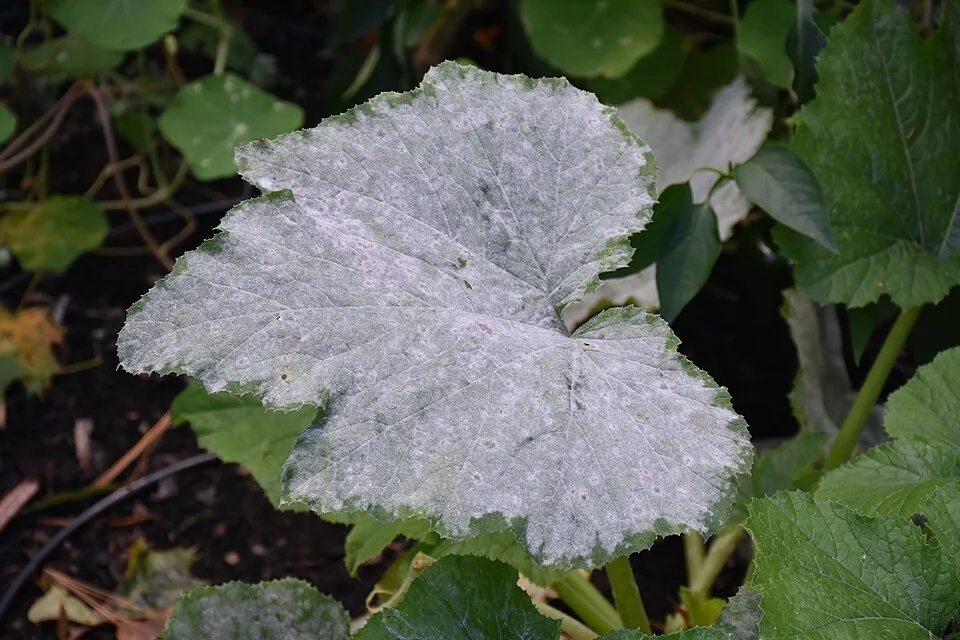
Cause: Humid crowded growth late in the season
Prevention: Space plants well and prune for airflow
Recommended treatment · paid link ?When you shop on Amazon using this link, SoilStack earns a small commission at no extra cost to you. It's how we keep the site free and the calendar ad-free. Every product on this page was hand-selected based on university extension research.
Bonide Captain Jack's Neem Max (16oz concentrate)
Cold-pressed neem oil concentrate. Works as fungicide, insecticide, and miticide — apply in evening to avoid leaf burn.
Cause: Poor drainage in winter-wet sites
Prevention: Choose well-drained soil and avoid overwatering
Nutrition & Harvest
How hungry the plant is, what ripe harvest looks like, and how long the crop keeps after picking.
Foliage is fully aromatic and fresh green; flowers are bright yellow and fully open if harvested for drying.
Companion Planting
Helpful neighbors can support growth or deter pests. Keep antagonistic plants separated to reduce stress and competition.
Growing Supplies
Based on Tansy's growth profile -- recommendations matched to this variety's specific requirements.
Seed starting tray + heat mat
For gardeners who start seeds indoors, this combo improves even germination. Warm-season crops benefit from bottom heat. Look for a rigid tray, cell inserts with drainage, and a heat mat paired with a thermostat.
Source: Utah State University Extension; Iowa State University Extension; Mississippi State University Extension
VIVOSUN Seedling Heat Mat (10"x20")
The foundation piece. UL & MET certified, 27,000+ reviews. Slides under any tray to boost germination rates for warm-season seeds.
View on AmazonVIVOSUN Heat Mat + Thermostat Combo
Same trusted mat with a digital thermostat so you can dial in exact soil temperature. Peppers want 80-85°F, tomatoes 75-80°F.
View on AmazonAC Infinity Heavy-Duty Germination Kit
Complete germination station with Samsung LEDs, 3mm thick dome, heat mat, and ventilation panels. The setup serious seed starters graduate to.
View on AmazonDrip irrigation / soaker hose kit
Every gardener benefits from putting water at the root zone instead of on the leaves, because drip and soaker systems reduce foliar disease pressure by limiting leaf wetness and soil splash. A quality kit should include a backflow preventer, filter, pressure reducer, and UV-resistant tubing.
Source: Iowa State University Extension; Colorado State University Extension; UMass Extension
MIXC Quick-Connect Drip Starter Kit
Right-sized for 1-2 raised beds. Quick-connect fittings, adjustable nozzles, and 1/2" + 1/4" tubing included.
View on AmazonCARPATHEN Complete Garden Drip Kit
Designed for beginners with a step-by-step setup guide. Adjustable emitters, both tubing sizes, and all connectors included.
View on AmazonRain Bird Landscape Drip Irrigation Kit
Professional-grade from the company that builds irrigation systems for golf courses and farms. Includes drippers, micro-bubblers, and micro-sprays.
View on AmazonRow cover / frost blanket
Row cover adds frost protection, speeds early growth, and physically excludes insect pests without spraying. Look for spun-bonded fabric with a stated weight and frost rating, UV resistance, and enough width for hoops or low tunnels.
Source: University of Maryland Extension; University of New Hampshire Extension; Colorado State University Extension
Agfabric Floating Row Cover (5'x25')
Lightweight 0.9 oz fabric for light frost and pest exclusion. Breathable enough to leave on all season without overheating plants.
View on AmazonAlpineReach Frost Blanket (10'x30')
Thicker 1.2 oz fabric rated to protect down to 28°F. Covers 300 sq ft — enough for multiple raised beds in a single sheet.
View on AmazonDeWitt Supreme Crop Protection (6'x50')
Professional-grade 1.5 oz fabric from the brand farms and extension offices use. Handles hard freezes and lasts multiple seasons.
View on AmazonSoil test kit
A soil test gives a baseline for pH and nutrient status so gardeners can add only what the soil actually needs. Prioritize a mail-in or lab-affiliated kit whenever possible because extension guidance notes that laboratory testing is more accurate than instant readers.
Source: University of Maryland Extension; Purdue Extension; Montana State University Extension
Garden Tutor pH Test Strips
Quick pH checks for regular monitoring. 100 strips with an AI-powered reader for easy results.
View on AmazonRapitest 4-in-1 Soil Test Kit
The home garden standard. Tests pH, nitrogen, phosphorus, and potassium with a patented color comparator.
View on AmazonMySoil Professional Lab Test
Mail-in lab analysis covering 13 nutrients plus pH. Includes custom fertilizer recommendations for your soil.
View on AmazonQuality bypass pruners
Extension guidance favors bypass designs because they make cleaner, closer cuts on living tissue than anvil types. Look for hardened steel blades that can be sharpened, a comfortable grip, and a cutting capacity matched to real home-garden stems.
Source: University of New Hampshire Extension; Iowa State University Extension; Purdue University Extension
gonicc 8" Professional Bypass Pruners
Titanium-coated blade, 5/8" cut capacity. Over 37,000 reviews and a consistent best seller for a reason.
View on AmazonCorona BP 3180D Forged Classic
Forged steel, 1" cut capacity. Corona has been making garden tools since 1928. The forged blade holds its edge longer than stamped alternatives.
View on AmazonFelco F5 All-Steel Bypass Pruner
Swiss-made, replaceable blade, spring, and every moving part. The buy-once pruner that professional growers reach for.
View on AmazonGardening books
The most useful mix is three categories: a beginner guide, a reference manual for diagnosis and crop-by-crop lookup, and a soil science book. Look for region-aware editions, strong visuals, and evidence-based authorship.
Source: Purdue Extension; Master Gardener resources
Old Farmer's Almanac Vegetable Gardener's Handbook
The quick-reference classic. Step-by-step format you can keep near the garden. Trusted since 1792.
View on AmazonThe Vegetable Gardener's Bible by Ed Smith
The book extension agents recommend. Covers raised beds, organic methods, and deep soil — the comprehensive guide that turns beginners into confident growers.
View on AmazonVeg in One Bed by Huw Richards
Month-by-month raised bed guide from one of the most respected modern garden educators. Beautiful hardcover that doubles as a practical planner.
View on AmazonSources
Reference material and extension guidance used to build this growing guide.
Related Plants
More plants from the same family or type that fit naturally alongside this guide.
Ready to grow Tansy?
Get a personalized planting schedule based on your exact zone with frost dates, task reminders, and feeding plans.
Start Your Garden Plan