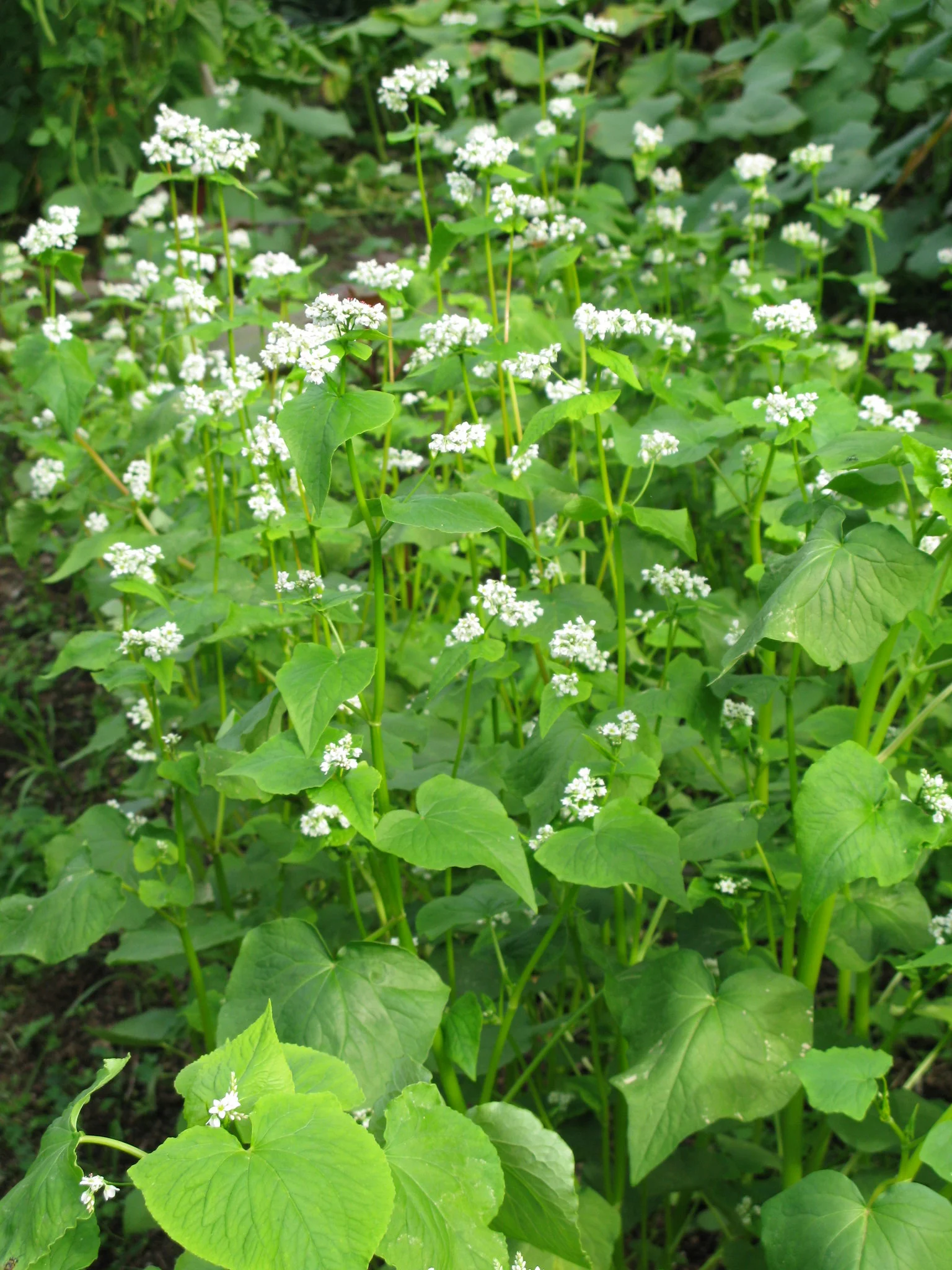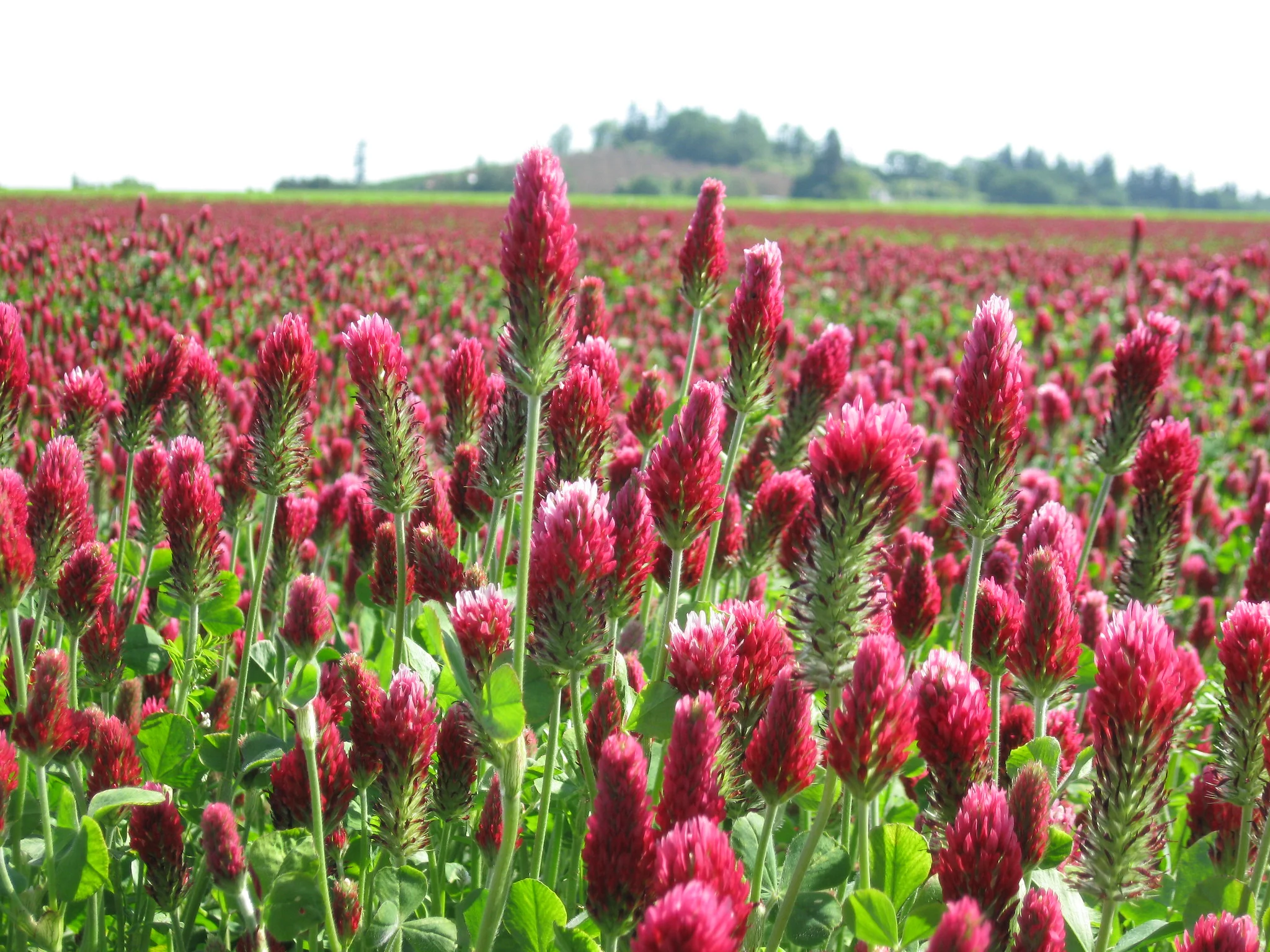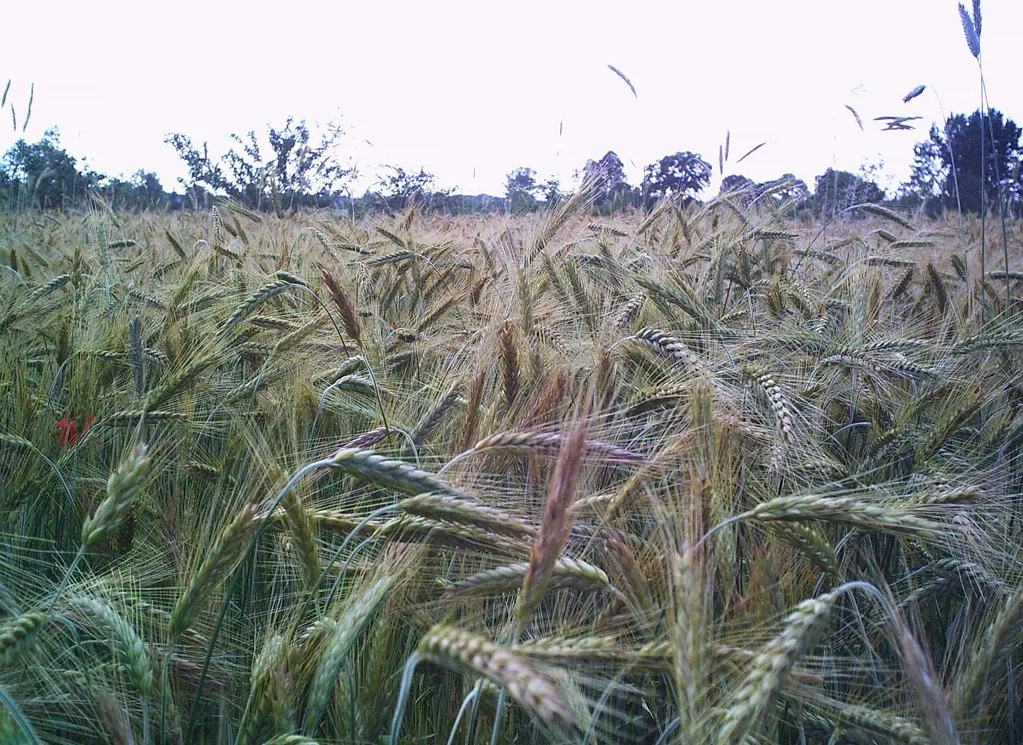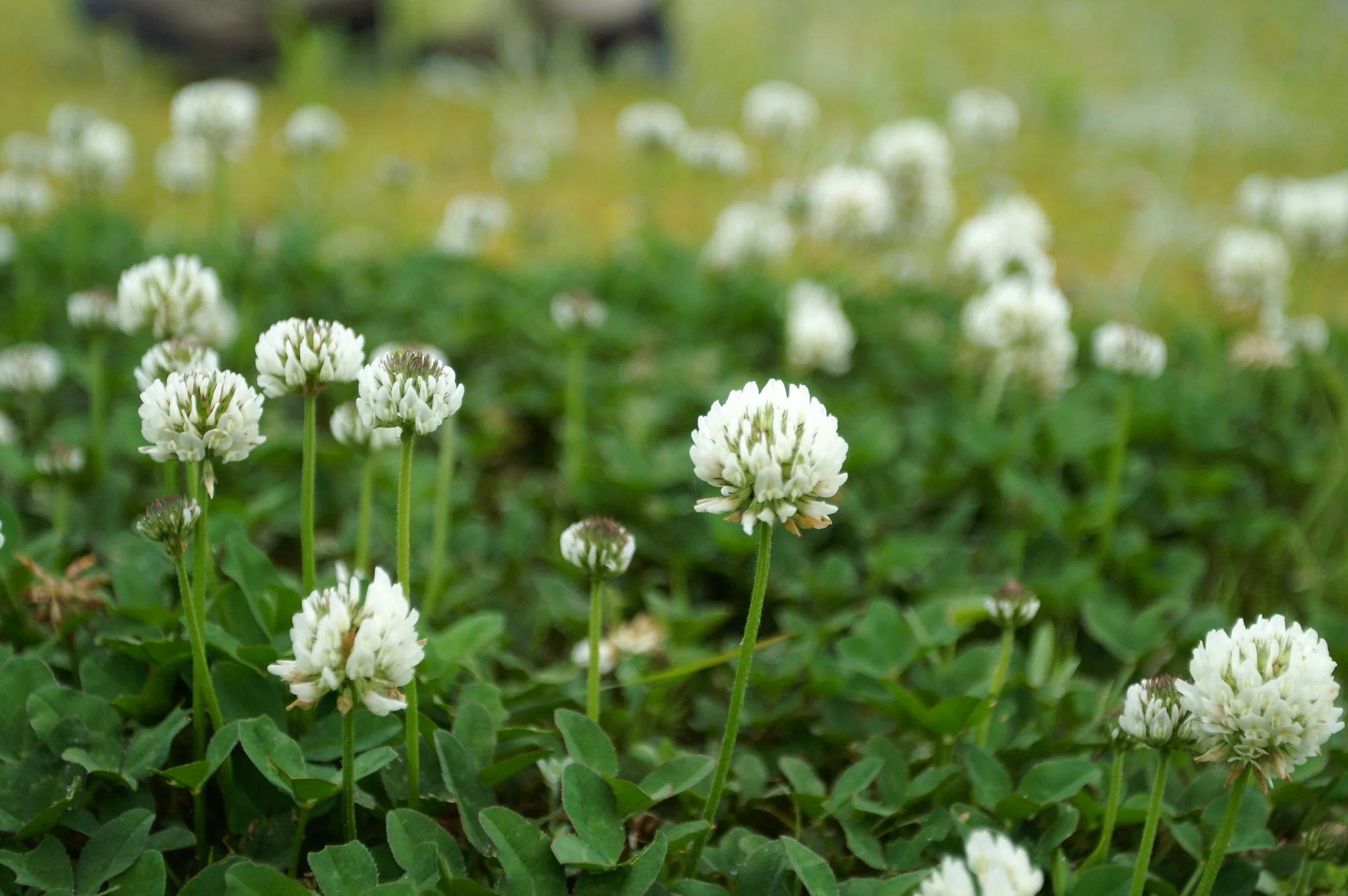
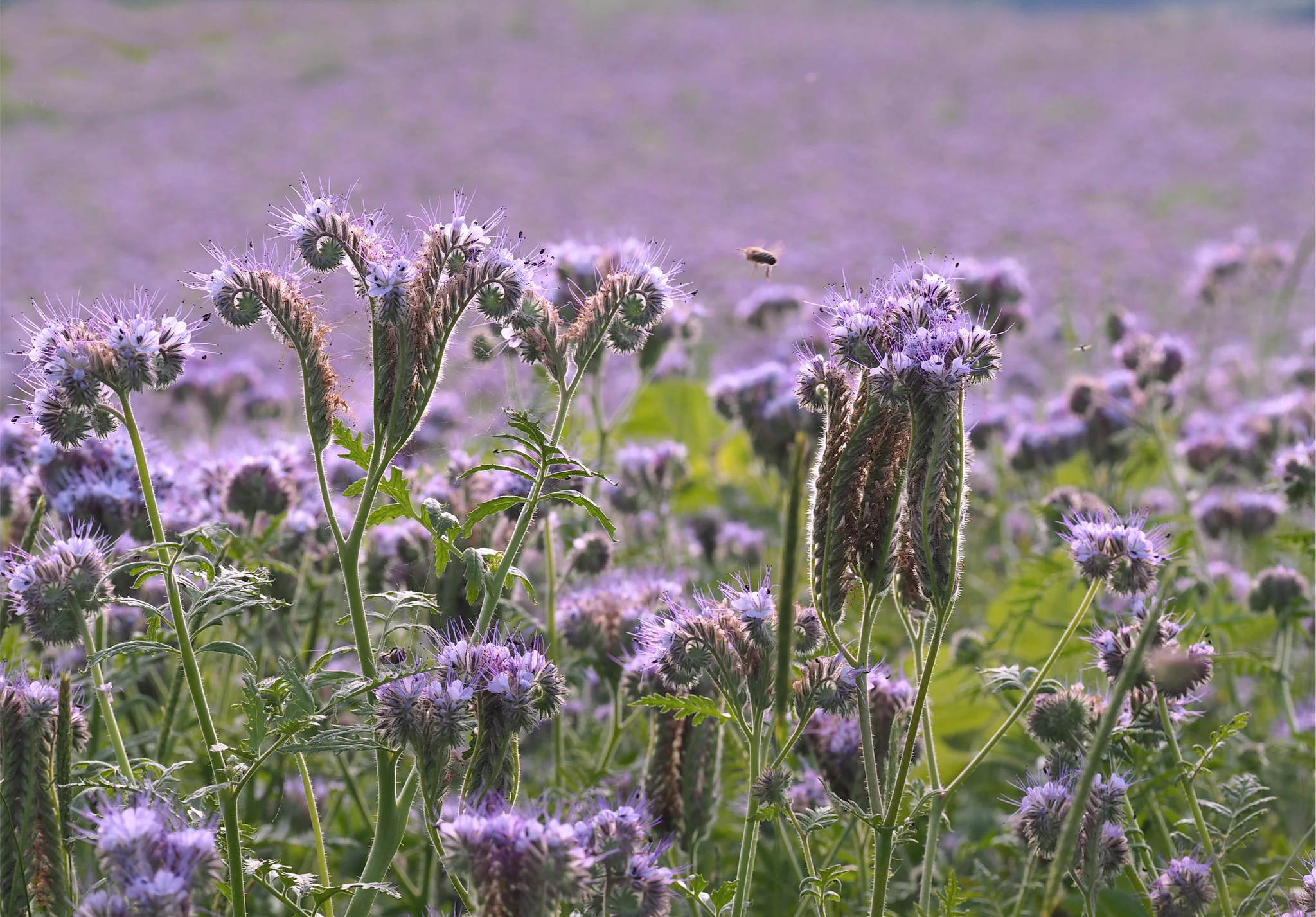
Photo: "Am Feldrand" by Michael Mueller
· CC BY 2.0
Phacelia cover crop and bee forage
Annual · Boraginaceae
Phacelia is a fast cover crop and one of the best bee-attracting flowers gardeners can sow for short windows between food crops. It makes fine roots, quick canopy, and purple blooms that support pollinators and beneficial insects, which is why it is often used as both a cover crop and a habitat plant. It suits gardeners who want rapid bloom and ecosystem services from a short planting. Key facts: 45–60 days to maturity, 6+ hours of sun, 6–12 " spacing. Not recommended for containers.
Updated May 13, 2026·Backed by 7 cited sources
Overview
At a Glance
The essentials first: timing, light, spacing, seed-starting, container fit, and overall size.
Days to maturity
45–60 days
Sun
6+ hours
Full Sun 6 8 Hours
Spacing
6–12 "
between plants
Seed start
0 weeks
before transplant
Container
Not recommended
Needs 5+ gal if attempted
Height
0.5–4 ft
at maturity
Planting window
Zone Planting Guide
Switch zones to see whether this plant is a strong fit, what frost timing looks like, and any extra notes worth planning around.
This card updates instantly with viability, frost timing, and any planting notes for your selected zone.
Care
Growing Guide
Everything in one place: seed starting, transplant timing, watering, soil, and structural support.
Seed starting
Germination
Time5–14 days
Optimal temperature65°F
Seed depth0.25"
Moisture
Watering
Weekly0.75–1.25 "
NeedsModerate
Base watering
Root zone
Soil
pH range6–7
PreferredAverage To Moderately Fertile, Well Drained Soil; Most Of These Crops Do Not Need Rich Feeding.
A seedling killer caused by several different fungi working together. It hits vegetables, flowers, herbs, microgreens, and cover-crop seedlings the same way — seeds rot before they emerge, or young seedlings collapse right at the soil line. Wet seed-starting mix and poor airflow in seedling trays are the classic conditions.
Triggers: Wet soil or starting mix, poor drainage, seedlings packed too tightly, contaminated trays or media, and stagnant air all favor damping-off.
On Phacelia: Cold, wet seedbeds or overly dense sowing can kill seedlings.
Prevention: Use clean seed, shallow sowing, and thin dense stands.
Risk fades when: Drying the soil surface and improving airflow slows new spread. Collapsed seedlings don't recover, but the rest of the tray can be saved.
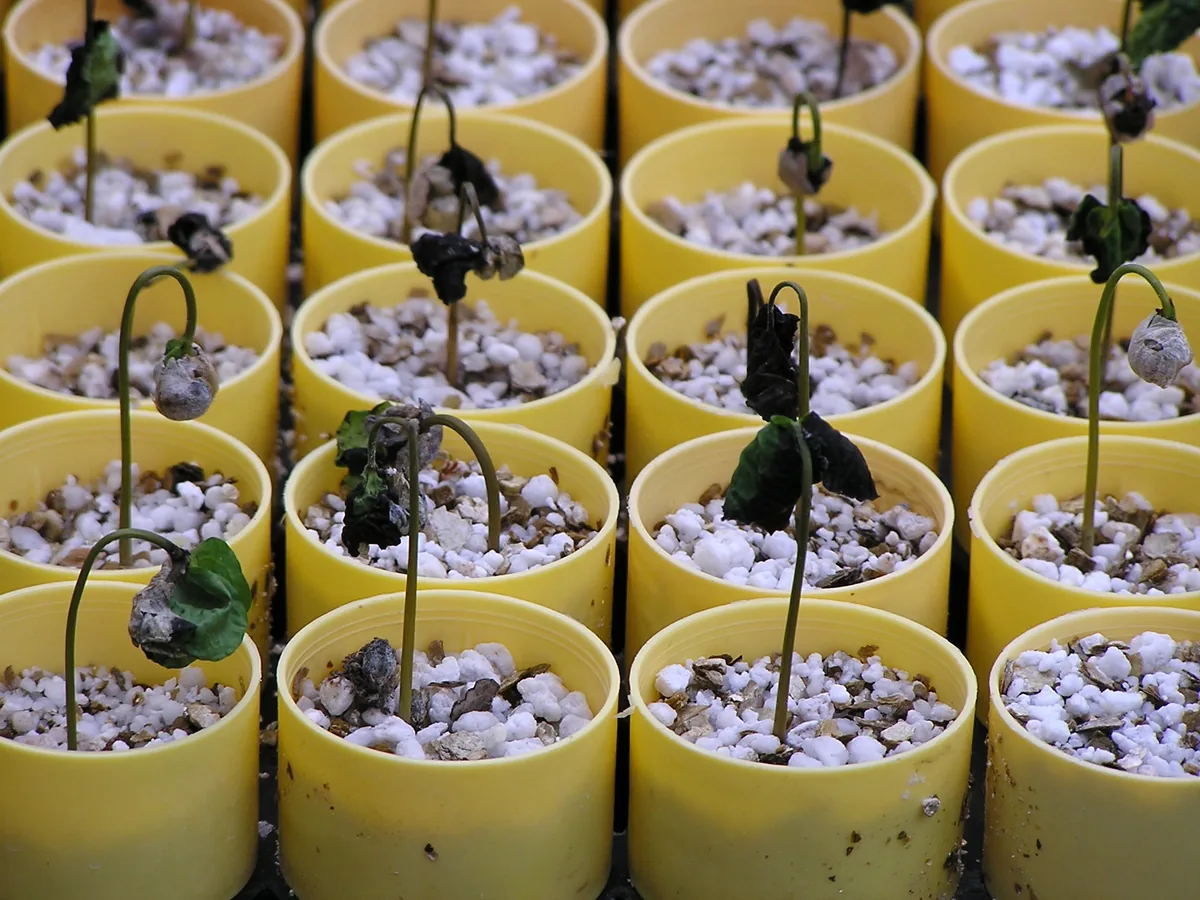
Damping off of coffee seedlings caused by Fusarium sp. — Photo:
Scot Nelson
·
CC0 1.0
Powdery mildewGolovinomyces cynoglossi
Low
Disease
May–AugPeak window months: May, Jun, Jul, Aug.
A Boraginaceae powdery mildew supported for forget-me-not, where it causes dense white fungal growth on leaves and stems. Current source support is strongest for forget-me-not specifically — don't auto-add borage unless plant data references and supporting sources are verified.
Triggers: High humidity with dry leaf surfaces, aging or crowded plants, and poor airflow all favor the disease.
On Phacelia: Late-season humidity can coat foliage and blooms.
Prevention: Improve airflow and avoid crowding.
Risk fades when: Pressure eases when weather moves out of mild humid conditions and infected annual foliage is cleared.
Frost warnings, zone-specific timing, and seasonal nudges -- sent only when there's something to act on. Free, unsubscribe anytime.
Get Personalized Planting Reminders
Frost alerts, zone-specific tips, and seasonal guidance. Free, unsubscribe anytime.
What you'll need
Growing Supplies
Based on Phacelia's growth profile -- recommendations matched to this variety's specific requirements.
Seed starting tray + heat mat
For gardeners who start seeds indoors, this combo improves even germination. Warm-season crops benefit from bottom heat. Look for a rigid tray, cell inserts with drainage, and a heat mat paired with a thermostat.
Source: Utah State University Extension; Iowa State University Extension; Mississippi State University Extension
Nearly every garden benefits from mulch for weed suppression, moisture conservation, and soil temperature moderation. For most home gardeners, quality organic mulch is the better buy over landscape fabric.
Source: Penn State Extension; Wisconsin Horticulture; Illinois Extension
Every gardener benefits from putting water at the root zone instead of on the leaves, because drip and soaker systems reduce foliar disease pressure by limiting leaf wetness and soil splash. A quality kit should include a backflow preventer, filter, pressure reducer, and UV-resistant tubing.
Source: Iowa State University Extension; Colorado State University Extension; UMass Extension
Row cover adds frost protection, speeds early growth, and physically excludes insect pests without spraying. Look for spun-bonded fabric with a stated weight and frost rating, UV resistance, and enough width for hoops or low tunnels.
Source: University of Maryland Extension; University of New Hampshire Extension; Colorado State University Extension
K-State Research and Extension and University of Maryland Extension recommend shade cloth as a heat-management tool for vegetable gardens, with 30 percent shade rating most effective for tomatoes, peppers, and fruiting crops, and 40 to 50 percent for protecting heat-sensitive greens during hot summer months. University of Delaware research found 30 percent black shade cloth tripled marketable yield for bell peppers compared to unshaded plants, and Purdue trials showed shade cloth reduced maximum daily temperatures by 8 to 10 degrees Fahrenheit. Choose knitted polyethylene with reinforced grommets every 18 to 24 inches, mount on hoops or a frame with open sides for airflow, and remove or vent during prolonged wet weather to avoid increased humidity in the canopy.
Source: K-State Research and Extension; University of Maryland Extension; University of Delaware Cooperative Extension; Purdue University Extension
Reflective plastic mulch (white-on-black or silver)
North Carolina State Extension reports that white-on-black plastic mulch can reduce soil temperature by 5 to 20 degrees Fahrenheit and silver mulch by about 6 degrees, the opposite effect of black mulch which warms soil. This makes reflective mulch the appropriate plasticulture choice for hot zones (especially Zone 9a desert and other high-heat low-humidity areas) where overheating limits warm-season crop performance more than cold soil. Silver mulch adds documented aphid and thrips repellency from the reflective surface. Use only with drip irrigation installed underneath, never use plastic mulch without irrigation, and reserve for late spring or early fall plantings where the surrounding heat is the primary stress.
Source: North Carolina State Extension; University of Arizona Cooperative Extension
A soil test gives a baseline for pH and nutrient status so gardeners can add only what the soil actually needs. Prioritize a mail-in or lab-affiliated kit whenever possible because extension guidance notes that laboratory testing is more accurate than instant readers.
Source: University of Maryland Extension; Purdue Extension; Montana State University Extension
University of Minnesota Extension recommends measuring soil temperature 2 to 4 inches below the surface to decide when warm-season crops can actually be planted, because air temperature and average frost dates do not reliably predict whether soil is warm enough for germination. A dedicated soil thermometer with a 4 to 6 inch stainless steel probe gives gardeners a deterministic reading instead of relying on the calendar alone, which matters most in zones with wide last-frost variability. Look for a waterproof stainless steel stem, a clearly marked vegetable-garden temperature range, and a readable analog or digital display at planting depth.
University of Arizona Cooperative Extension notes that most vegetables root in the top 12 to 24 inches of soil and that hot, dry periods require more frequent irrigation, but watering by habit often wets only the top inch while leaving the root zone dry. A dedicated soil moisture meter with a long probe gives gardeners a deterministic reading at root depth instead of guessing from surface appearance, which is most critical in low-rainfall desert zones (Zone 9a Phoenix) and in raised beds or containers that dry from the top down. Look for a single-purpose moisture meter (not a 3-in-1 or 4-in-1 combo, which trade accuracy for feature count) with a probe that reaches 8 to 12 inches and a clear analog or digital display.
Source: University of Arizona Cooperative Extension
UF/IFAS Extension and Texas A&M AgriLife Extension recommend securing or removing trellises, shade cloth, hoop covers, container plants, and lightweight raised-bed accessories before tropical storms and hurricanes, since loose garden items become projectiles in high winds. Most-relevant for Gulf Coast Zone 8b (Houston, Mobile, New Orleans), Florida Zone 9b (Miami, Tampa), and any coastal area within the Atlantic and Gulf hurricane corridors. Galvanized steel ground anchors resist rust in humid coastal soils, and screw-in spiral anchors hold significantly better than driven stakes in saturated soil during storm conditions. Use quick-release fasteners on shade cloth and trellises so they can be removed quickly when a storm watch is issued.
Extension guidance favors bypass designs because they make cleaner, closer cuts on living tissue than anvil types. Look for hardened steel blades that can be sharpened, a comfortable grip, and a cutting capacity matched to real home-garden stems.
Source: University of New Hampshire Extension; Iowa State University Extension; Purdue University Extension
Raised beds improve drainage, let gardeners control soil from day one, reduce compaction, and make gardening more accessible. A quality kit should use rot-resistant, food-safe materials and provide enough depth for productive rooting.
Source: Penn State Extension; University of Delaware Cooperative Extension; Illinois Extension
The most useful mix is three categories: a beginner guide, a reference manual for diagnosis and crop-by-crop lookup, and a soil science book. Look for region-aware editions, strong visuals, and evidence-based authorship.
As an Amazon Associate I earn from qualifying purchases. These are Amazon affiliate links -- if you buy through them, SoilStack earns a small commission at no extra cost to you. It's how we keep the app free and the calendar ad-free. We only link products that match what the research says you actually need.
Research
Sources
Reference material and extension guidance used to build this growing guide.
university Extension sourceuniversity NC State Extension Plant Toolboxpeer-reviewed SARE — Sustainable Agriculture Research and Educationuniversity Oregon State University Extensionuniversity Oregon State University Extensionuniversity UC SAREP — Phacelia cover cropgovernment USDA NRCS / Iowa State Extension — Phacelia cover crop fact sheet
Keep exploring
Related Plants
More plants from the same family or type that fit naturally alongside this guide.