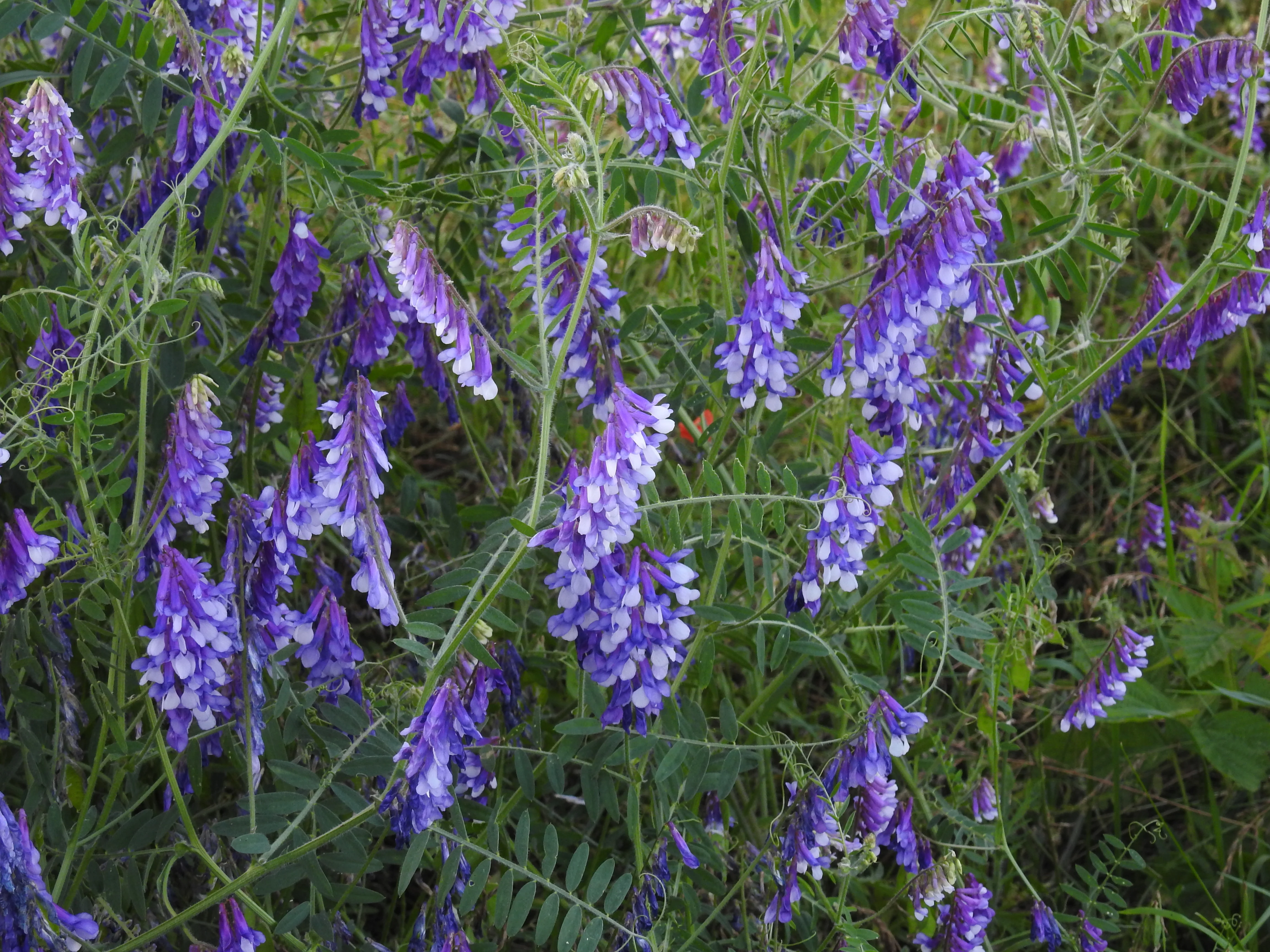
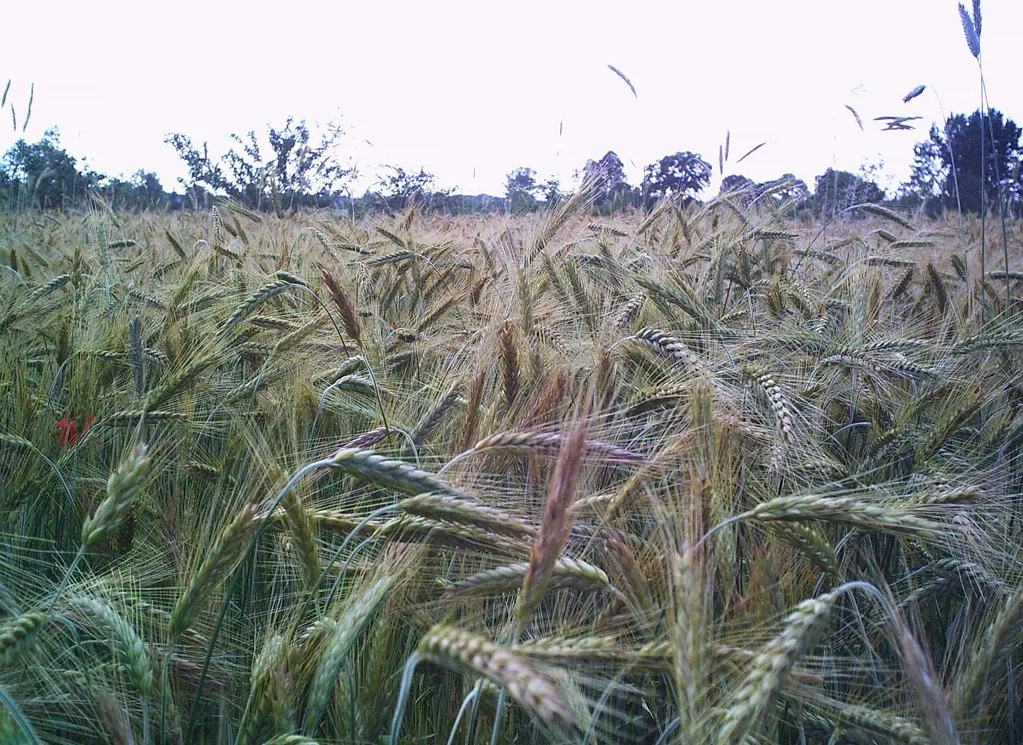
Winter rye cover crop stands
Photo: "Secale cereale — Rye" by Letrek · CC BY-SA 3.0

Winter rye cover crop stands

Annual · Poaceae

Winter rye is a classic fall-sown cover crop grass valued for deep rooting, aggressive weed suppression, and excellent winter hardiness. It is grown for soil cover and spring biomass, not for an edible harvest, and it is especially useful where gardeners need living roots over winter. It suits growers who want a dependable cool-season cover and can terminate it before vegetables go in. Key facts: 180–220 days to maturity from direct sowing, 6+ hours of sun, 6–12" spacing. Not recommended for containers.

Updated June 1, 2026 · Backed by 3 cited sources
Overview

At a Glance

The essentials first: timing, light, spacing, seed-starting, container fit, and overall size.

Days to maturity
180–220 days
from direct sowing
Sun
6+ hours
Full Sun 6-8 Hours
Spacing
6–12"
between plants
In practice

Dense sowing is fine for cover crop function; thin more aggressively if growing for edible flowers.

Seed start
0 weeks
before transplant
Container
No
Needs 5+ gal if attempted
Height
0.5–4 ft
at maturity
Planting window

Zone Planting Guide

Switch zones to see whether this plant is a strong fit, what frost timing looks like, and any extra notes worth planning around.

This card updates instantly with viability, frost timing, and any planting notes for your selected zone.

Season sequence

Winter Rye Cover Crop Cycle

Sowing through termination, in the order the work happens.

  1. 1
    Late summer to fall
    Seed after summer crop harvest or into a late-season gap; rye can establish later than most cereal covers and is useful where fall planting is delayed.
  2. 2
    Fall and winter
    Let the stand protect soil, scavenge leftover nitrogen, and suppress winter annual weeds.
  3. 3
    Spring before vegetable planting
    Terminate by mowing, tillage, rolling at the proper growth stage, or approved herbicide before the stand competes for water or becomes too mature.
  4. 4
    After termination
    Allow about 2-3 weeks before direct-seeding vegetables, especially after heavy grass residue; add early nitrogen for hungry crops if residue tie-up is likely.
Common questions

Winter Rye FAQ

Every answer is assembled from this cultivar's own record, so the figures match the rest of the page.

How many days to maturity for Winter rye cover crop stands?

Winter Rye takes 180–220 days to reach maturity from direct sowing.

How far apart should you plant Winter rye cover crop stands?

Space Winter Rye 6–12 inches apart, with 12–18 inches between rows.

How much sun do Winter rye cover crop stands need?

Winter Rye needs at least 6 hours of direct sun a day.

How much water do Winter rye cover crop stands need?

Winter Rye needs 0.75–1.25 inches of water a week, counting rainfall.

What soil pH do Winter rye cover crop stands need?

Winter Rye grows best in soil with a pH of 6–7, ideally around 6.5.

How tall do Winter rye cover crop stands get?

Winter Rye reaches 0.5–4 feet at maturity.

How do you start Winter rye cover crop stands from seed?

Sow seed straight into the garden once the soil reaches 40°F.

What temperature do Winter rye cover crop stands seeds need to germinate?

Winter Rye seeds germinate best at 65°F, within a workable range of 45–70°F, and take 5–14 days to emerge.

Can you grow Winter rye cover crop stands in containers?

Winter Rye is not recommended for container growing. It would need at least 5 gallons if attempted, and compact varieties suit pots far better.

When is Winter rye cover crop stands in season?

Winter Rye is a cool-season crop, in season during spring and fall in most regions. Plants reach harvest 180–220 days after direct sowing and prefer temperatures below 75°F.

Resilience

Plant Health

Stress tolerance, resistance notes, and the most common problems to watch for as plants mature.

Tolerance
Heat: Moderate Cold: Hardy Drought: Moderate

Watch for these first

Sort
Issue Severity Category Peak window
Damping off Pythium spp. / Rhizoctonia solani / Fusarium spp.
High Disease May–Aug Peak window months: May, Jun, Jul, Aug.

A seedling killer caused by several different fungi working together. It hits vegetables, flowers, herbs, microgreens, and cover-crop seedlings the same way — seeds rot before they emerge, or young seedlings collapse right at the soil line. Wet seed-starting mix and poor airflow in seedling trays are the classic conditions.

Triggers: Wet soil or starting mix, poor drainage, seedlings packed too tightly, contaminated trays or media, and stagnant air all favor damping-off.

On Winter Rye: Cold, wet seedbeds or overly dense sowing can kill seedlings.

Prevention: Use clean seed, shallow sowing, and thin dense stands.

Risk fades when: Drying the soil surface and improving airflow slows new spread. Collapsed seedlings don't recover, but the rest of the tray can be saved.
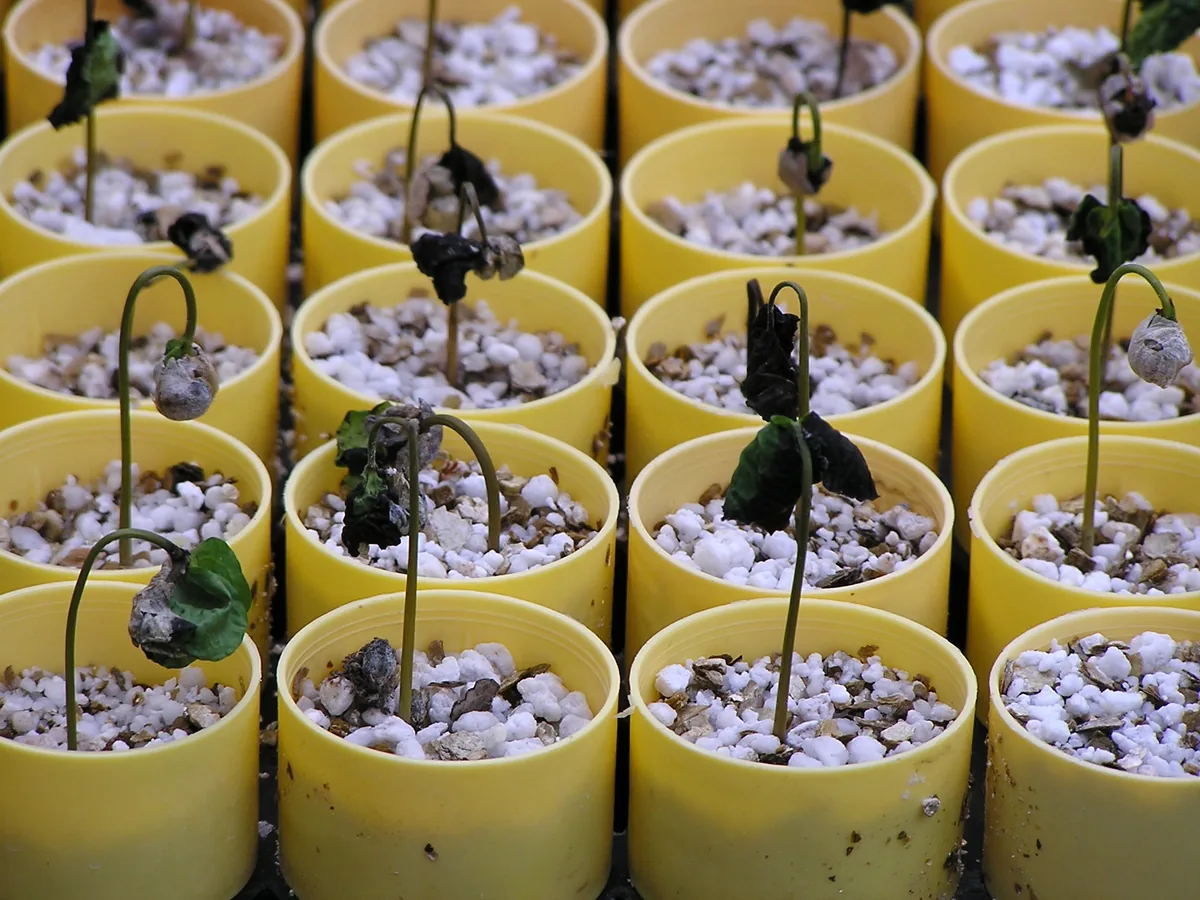
Damping off symptoms
Damping off of coffee seedlings caused by Fusarium sp. — Photo: Scot Nelson · CC0 1.0
Feeding & picking

Nutrition & Harvest

How hungry the plant is, what ripe harvest looks like, and how long the crop keeps after picking.

Feeding
Nutrition
Feeding intensityNone feeder
Timing
Harvest

Terminate when plants are tall and lush but before viable seed forms, usually around stem elongation to early flowering.

Expected yield0 lbs/plant
Storage Not normally stored; use as mulch or incorporation residue the same day.
Plant relationships

Companion Planting

Helpful neighbors can support growth or deter pests. Keep antagonistic plants separated to reduce stress and competition.

Good companions
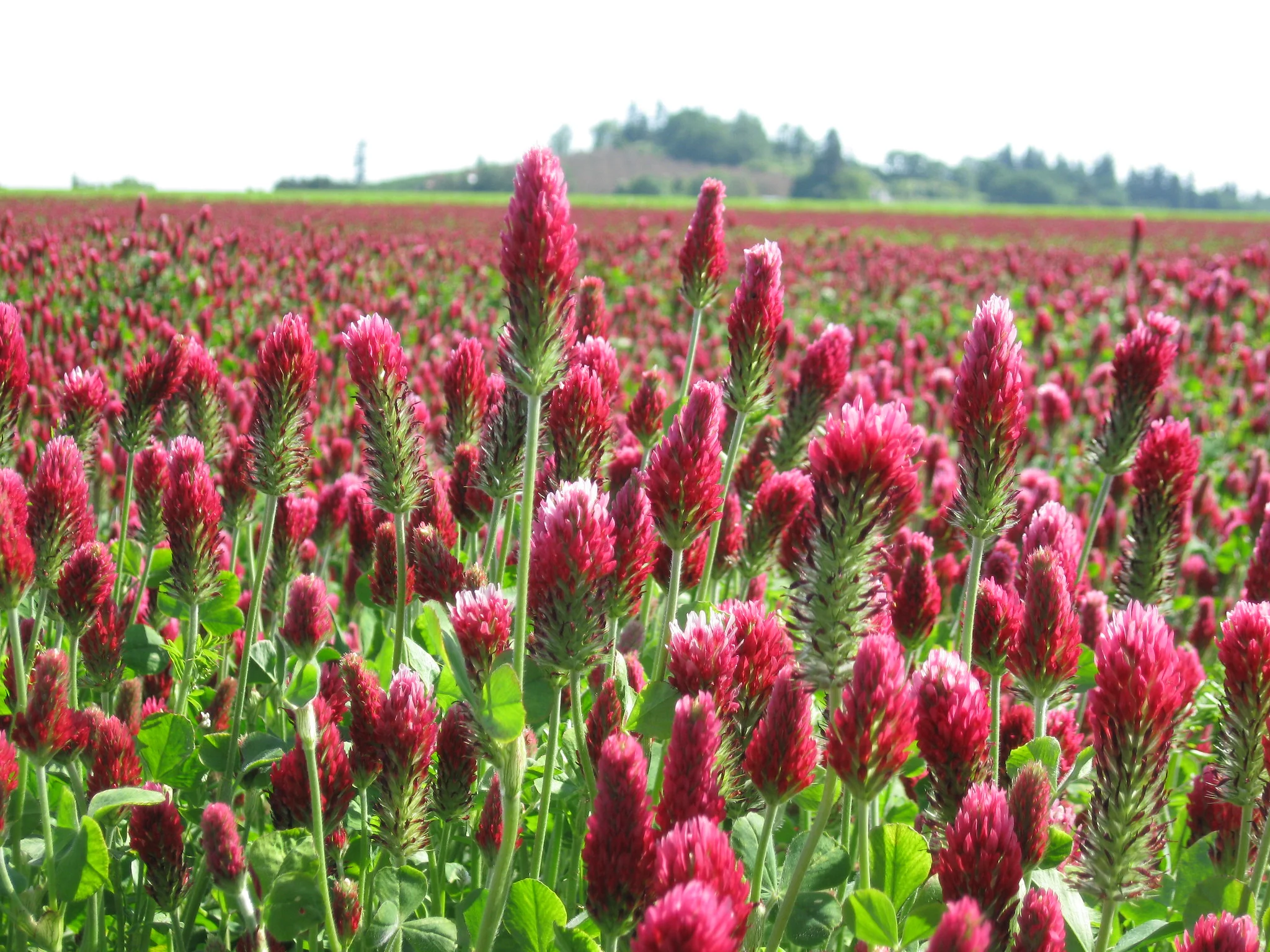
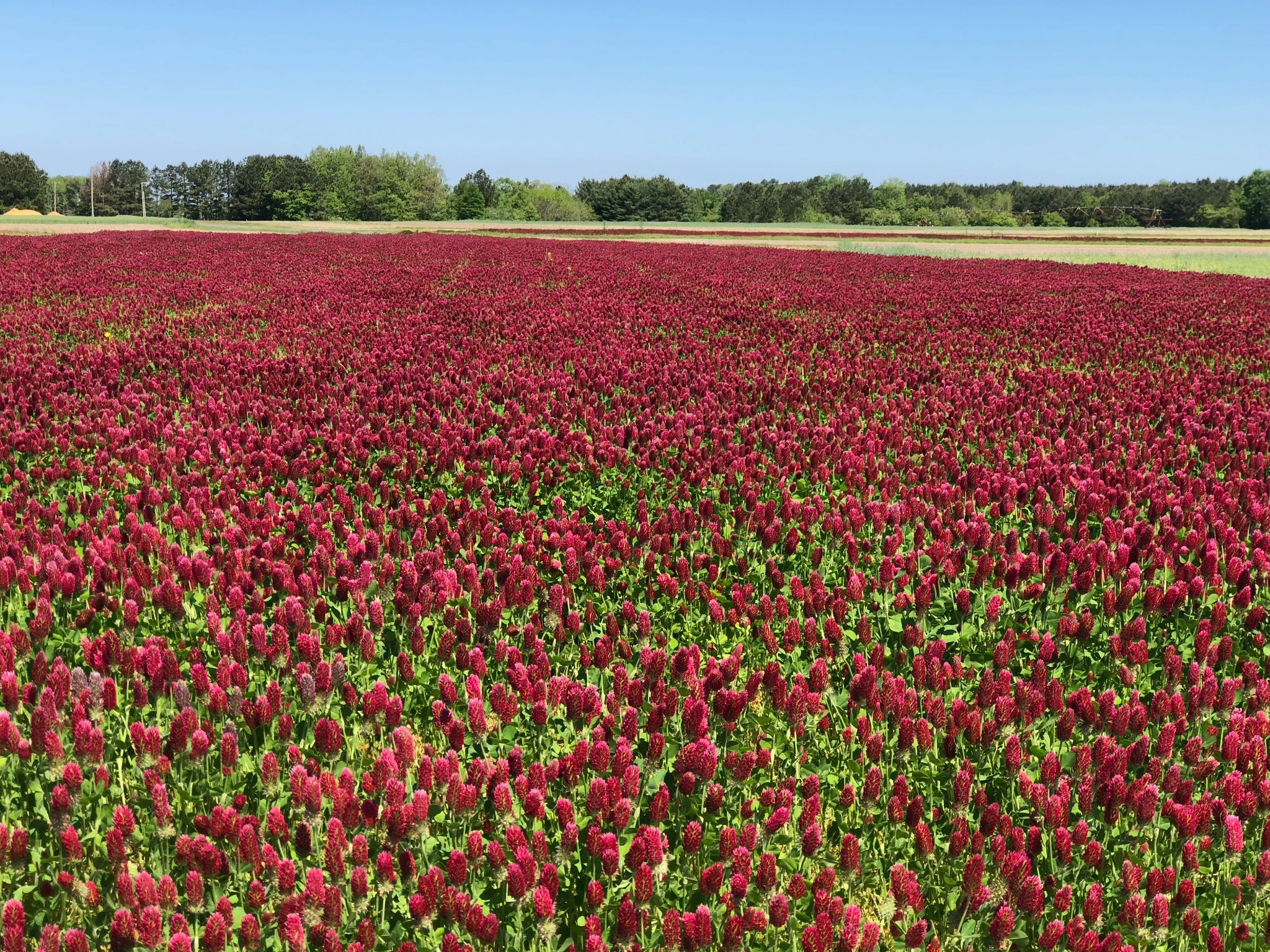
Clover Cover Crop
Legume clover helps balance rye residue and spring nitrogen demand.
What it does3
Soil building Research supported
Medium red clover is a short-lived perennial or biennial legume used as an nitrogen source, soil builder, and forage/green-manure cover crop.
SARE red clover
Weed control Research supported
Helps suppress weeds when frostseeded or interseeded with small grains and maintained as a dense stand.
SARE red clover
Beneficial insects Research supported
SARE lists red clover as an beneficial-insect crop in addition to its nitrogen and soil-building roles.
SARE red clover
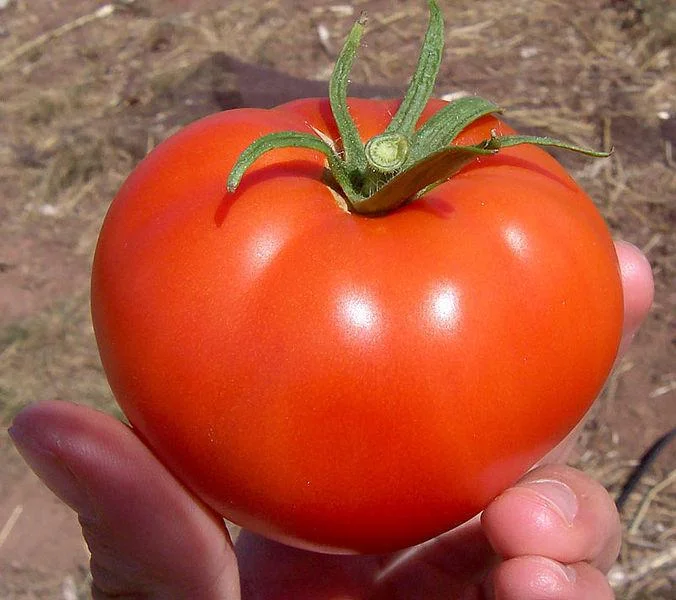
Better Boy Tomato
Tomato transplants tolerate rye residue better than small-seeded vegetables.
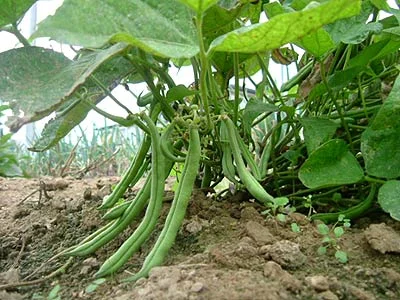
Blue Lake Bush Bean
Large-seeded beans can follow rye mulch with less allelopathic risk than small seeds.
Stay in the loop

Planting reminders for Winter Rye

Frost warnings, zone-specific timing, and seasonal nudges -- sent only when there's something to act on. Free, unsubscribe anytime.

Get Personalized Planting Reminders

Frost alerts, zone-specific tips, and seasonal guidance. Free, unsubscribe anytime.

For zone-specific tips
What you'd like to receive (optional):

By subscribing you agree to our privacy policy. We won't sell your data. Unsubscribe link in every email.

What you'll need

Growing Supplies

Hand-picked for your Winter Rye, with the extension research behind every recommendation.

Mulch / landscape fabric

Nearly every garden benefits from mulch for weed suppression, moisture conservation, and soil temperature moderation. For most home gardeners, quality organic mulch is the better buy over landscape fabric.

Source: Penn State Extension; Wisconsin Horticulture; Illinois Extension

Our pick

Cleaned Wheat Straw Mulch (3 cu ft, ~20 lbs)

Thoroughly cleaned wheat straw at 3 cubic feet, marketed specifically for vegetable gardens rather than animal bedding or decoration. Better per-pound economics than the 1 cu ft option, with the same extension-recommended material. Strong sales volume (2K+ bought past month) supports product consistency.

paid link ?When you shop on Amazon using this link, SoilStack earns a small commission at no extra cost to you. It's how we keep the site free and the calendar ad-free. Every product on this page was hand-selected based on university extension research. When you shop on Amazon using this link, SoilStack earns a small commission at no extra cost to you. It's how we keep the site free and the calendar ad-free. Every product on this page was hand-selected based on university extension research.
View on Amazon

Drip irrigation / soaker hose kit

Every gardener benefits from putting water at the root zone instead of on the leaves, because drip and soaker systems reduce foliar disease pressure by limiting leaf wetness and soil splash. A quality kit should include a backflow preventer, filter, pressure reducer, and UV-resistant tubing.

Source: Iowa State University Extension; Colorado State University Extension; UMass Extension

Our pick

Complete Garden Drip Irrigation Kit

Designed for beginners with a step-by-step setup guide. Adjustable emitters, both tubing sizes, and all connectors included.

paid link ?When you shop on Amazon using this link, SoilStack earns a small commission at no extra cost to you. It's how we keep the site free and the calendar ad-free. Every product on this page was hand-selected based on university extension research. When you shop on Amazon using this link, SoilStack earns a small commission at no extra cost to you. It's how we keep the site free and the calendar ad-free. Every product on this page was hand-selected based on university extension research.
View on Amazon

Row cover / frost blanket

Row cover adds frost protection, speeds early growth, and physically excludes insect pests without spraying. Look for spun-bonded fabric with a stated weight and frost rating, UV resistance, and enough width for hoops or low tunnels.

Source: University of Maryland Extension; University of New Hampshire Extension; Colorado State University Extension

Our pick

Frost Blanket (10'x30')

Thicker 1.2 oz fabric rated to protect down to 28°F. Covers 300 sq ft — enough for multiple raised beds in a single sheet.

paid link ?When you shop on Amazon using this link, SoilStack earns a small commission at no extra cost to you. It's how we keep the site free and the calendar ad-free. Every product on this page was hand-selected based on university extension research. When you shop on Amazon using this link, SoilStack earns a small commission at no extra cost to you. It's how we keep the site free and the calendar ad-free. Every product on this page was hand-selected based on university extension research.
View on Amazon

Garden shade cloth

K-State Research and Extension and University of Maryland Extension recommend shade cloth as a heat-management tool for vegetable gardens, with 30 percent shade rating most effective for tomatoes, peppers, and fruiting crops, and 40 to 50 percent for protecting heat-sensitive greens during hot summer months. University of Delaware research found 30 percent black shade cloth tripled marketable yield for bell peppers compared to unshaded plants, and Purdue trials showed shade cloth reduced maximum daily temperatures by 8 to 10 degrees Fahrenheit. Choose knitted polyethylene with reinforced grommets every 18 to 24 inches, mount on hoops or a frame with open sides for airflow, and remove or vent during prolonged wet weather to avoid increased humidity in the canopy.

Source: K-State Research and Extension; University of Maryland Extension; University of Delaware Cooperative Extension; Purdue University Extension

Our pick

30% Sun-Block Shade Cloth (6x10 ft)

Same 30 percent rating in the typical home-garden size that fits a 4 by 8 raised bed plus working overhang. Knitted polyethylene with grommets for tie-down. Strong volume signal (3.8K reviews) supports consistent product quality across orders.

paid link ?When you shop on Amazon using this link, SoilStack earns a small commission at no extra cost to you. It's how we keep the site free and the calendar ad-free. Every product on this page was hand-selected based on university extension research. When you shop on Amazon using this link, SoilStack earns a small commission at no extra cost to you. It's how we keep the site free and the calendar ad-free. Every product on this page was hand-selected based on university extension research.
View on Amazon
As an Amazon Associate I earn from qualifying purchases. These are Amazon affiliate links -- if you buy through them, SoilStack earns a small commission at no extra cost to you. It's how we keep the app free and the calendar ad-free. We only link products that match what the research says you actually need.
Internal links

Winter rye cover crop stands Planting Dates by Zone

Jump to your USDA zone for frost dates, start-indoors timing, and a full monthly planting calendar.

Ready to grow Winter Rye?

Get a personalized planting schedule based on your exact zone with frost dates, task reminders, and feeding plans.

Start Your Garden Plan